Page-Turning Series To
Start Now
1 Hour Reads
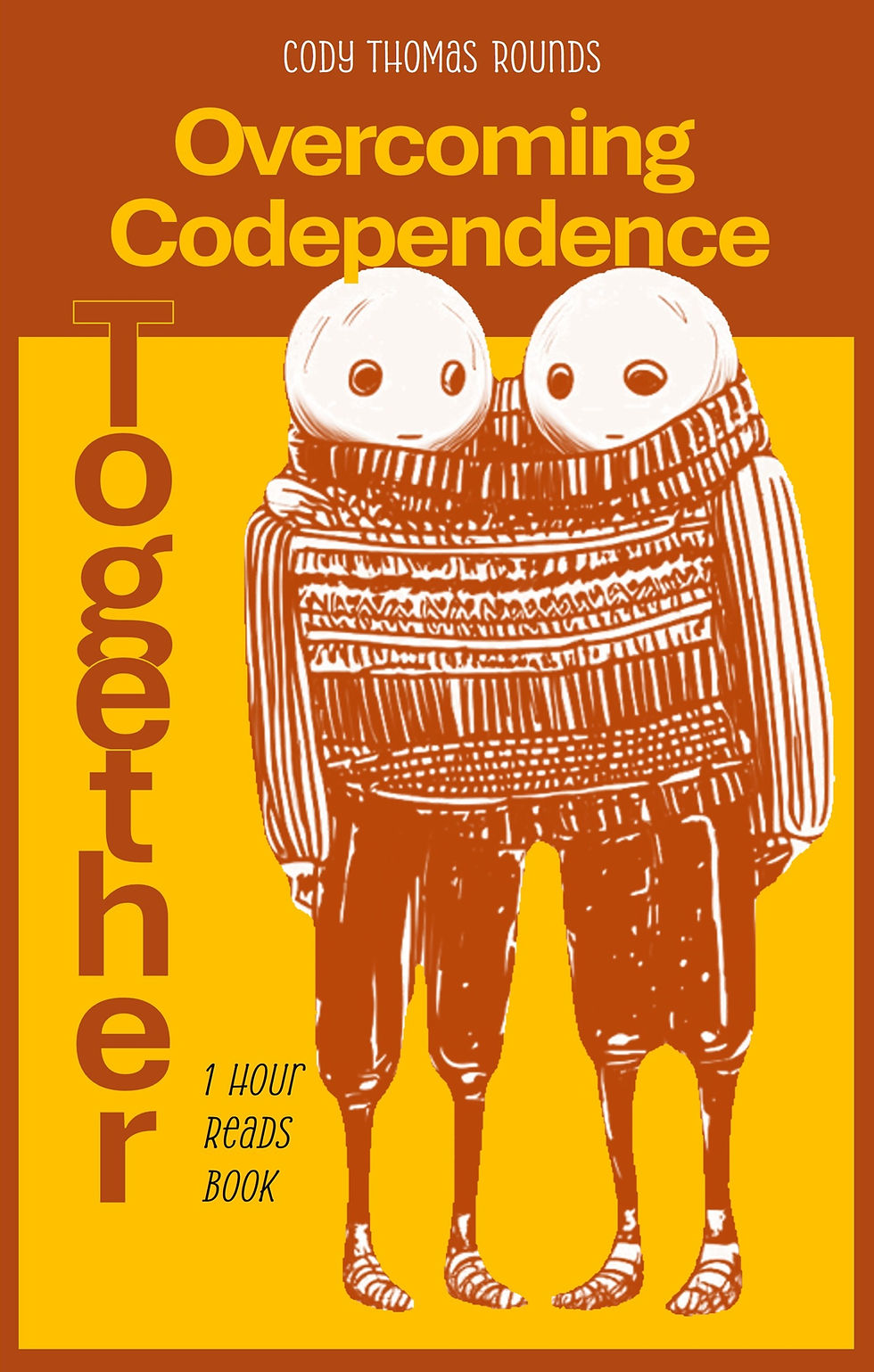


Powerful ideas, distilled. Each book delivers focused, actionable wisdom designed to be read in one sitting. Practical tools for growth, clarity, and leadership—sharp insights you can use right away, with resilience that stays long after you finish.
The series supports both personal and professional growth, helping readers thrive in all areas of life. Each book provides actionable steps to develop new skills and foster a growth mindset, empowering you to achieve meaningful, lasting change.
Reflective Reader
Step into classic stories as guides for your own growth. Each book combines timeless fiction with psychological insights and writing prompts—helping you uncover hidden dynamics, deepen awareness, and grow through rich, self-reflective reading.
The prompts encourage self reflection and exploration of your feelings, supporting inner work and personal growth. Drawing on self inquiry as a method, the process is designed to help you gain insight into your own life and experiences.


Best Sellers to be Your Best Self

Overcoming Imposter Syndrome: Personally and Professionally
You don’t have to keep questioning your worth behind every achievement. This book is a guide for those who appear competent on the outside but carry a quiet fear of being exposed as a fraud. With a blend of clinical insight and real-world strategies, Overcoming Imposter Syndrome helps readers dismantle self-doubt at its roots and replace it with grounded self-belief. Becoming your own biggest cheerleader is essential in the journey to overcome imposter syndrome, empowering you to support yourself through setbacks and self-doubt. The book also encourages readers to seek out role models for guidance and support, and to reflect on past experiences to build self-efficacy and confidence. Whether you’re a professional, student, or creator, this book offers a structured path toward confidence—not as performance, but as truth. It provides practical tools to help you overcome challenges related to self-doubt and imposter feelings.
Inside you’ll explore: – Why imposter thoughts persist, even in high achievers – The psychology of chronic self-criticism and self-sabotage – Tools to quiet the inner critic and strengthen your core sense of self

The Machine Stops: A Guided Exploration of Control and Freedom
A reflective edition of E. M. Forster’s prescient short story, reimagined as a guide for personal growth and cultural insight. This guided volume combines the full, unabridged text of The Machine Stops with original psychological essays and reflective prompts, transforming the story into more than fiction—it becomes a tool for self-discovery. Readers are invited to explore themes of technological dependence, repression, isolation, and autonomy, while also examining stages of human development and understanding their own personality type. The reflective prompts help uncover different aspects of the self and clarify core values, encouraging engagement in inner work as part of the guided exploration. Whether read for study, discussion, or personal reflection, this edition offers a unique way to engage with a prophetic classic and invites readers to dive deeper into the psychological and personal growth themes presented in the story, using it as a catalyst for growth in the modern world.
Why Choose Our Books?
Cultivating Self Compassion: A Reader’s Guide
Cultivating self compassion is at the heart of meaningful personal growth and self discovery. It begins with a willingness to truly understand yourself—your strengths, your weaknesses, and the full range of your emotions. This deeper understanding is essential for developing a supportive inner dialogue and building a foundation of self acceptance. Self compassion isn’t just about being kind to yourself in difficult moments; it’s about recognizing your own humanity and treating yourself with the same care you’d offer a close friend. When you approach life’s challenges with self compassion, you unlock greater resilience and an enhanced ability to overcome obstacles in various aspects of your life. This mindset shift allows you to move beyond self limiting beliefs, embrace your personal values, and stay focused on your personal vision for success. By practicing self compassion, you create space for authentic happiness and a deeper connection to your own experience. It empowers you to reflect, grow, and thrive—not just in your personal life, but in your professional journey as well. Whether you’re navigating new challenges or striving for your best self, self compassion is an essential tool for lasting success and well being.
Explore Self-care and Personal Development@ PsychAtWork Magazine
Unlock your potential by understanding the two concepts that shape every outcome: the fixed mindset and the growth mindset. Our resources are rooted in applied positive psychology and self-care, helping you build an empowered mindset, deepen your self identity, and articulate a clear personal vision that honors both spiritual growth and physical health.


Editor in Chief
Cody Thomas Rounds
Cody Thomas Rounds is a licensed clinical psychologist- Master, Vice President of the Vermont Psychological Association (VPA), and an expert in leadership development, identity formation, and psychological assessment. As the chair and founder of the VPA’s Grassroots Advocacy Committee, Cody has spearheaded efforts to amplify diverse voices and ensure inclusive representation in mental health advocacy initiatives across Vermont.
In his national role as Federal Advocacy Coordinator for the American Psychological Association (APA), Cody works closely with Congressional delegates in Washington, D.C., championing mental health policy and advancing legislative initiatives that strengthen access to care and promote resilience on a systemic level.
Cody’s professional reach extends beyond advocacy into psychotherapy and career consulting. As the founder of BTR Psychotherapy, he specializes in helping individuals and organizations navigate challenges, build resilience, and develop leadership potential. His work focuses on empowering people to thrive by fostering adaptability, emotional intelligence, and personal growth.
In addition to his clinical and consulting work, Cody serves as Editor-in-Chief of PsycheAtWork Magazine and Learn Do Grow Publishing. Through these platforms, he combines psychological insights with interactive learning tools, creating engaging resources for professionals and the general public alike.
With a multidisciplinary background that includes advanced degrees in Clinical Psychology, guest lecturing, and interdisciplinary collaboration, Cody brings a rich perspective to his work. Whether advocating for systemic change, mentoring future leaders, or developing educational resources, Cody’s mission is to inspire growth, foster professional excellence, and drive meaningful progress in both clinical and corporate spaces.