The Yellow Wallpaper: A Guided Exploration of Confinement and Identity

About This Edition
Charlotte Perkins Gilman’s The Yellow Wallpaper has long been studied as a haunting portrayal of confinement, repression, and the fragility of identity. Too often, however, the conversation stays trapped in academic analysis. This guided reading edition reframes the classic through the lens of psychology and self-reflection. By pairing the full, unabridged story with original essays and prompts, it invites readers to explore their own inner lives alongside the narrator’s descent.
Set in the late 19th-century time period, the story reflects how mental illness—especially post natal depression and temporary nervous depression—was often misunderstood and mistreated by both the medical community and society at large.
Themes of confinement, loss of agency, repression, and the search for self-expression are as relevant today as they were in 1892. The narrative mirrors the experiences of many women, particularly those who struggled with mental illness after giving birth to their first child. In an era where mental health, autonomy, and gender roles remain urgent concerns, The Yellow Wallpaper analysis becomes more than literature—it becomes a mirror. This edition is designed not only for classrooms and book clubs, but also for anyone seeking self-discovery through literature, using Gilman’s work as a tool for psychological growth and resilience.

An exploration of Illusion and Responsibility
A reflective edition of Ambrose Bierce’s classic short story, reimagined as a mirror for personal growth. This guided volume combines the full, unabridged text of An Occurrence at Owl Creek Bridge with original psychological insights and reflective prompts, transforming the story into more than literature—it becomes a tool for self-discovery.
Readers are invited to explore themes of illusion, denial, and mortality while uncovering their own patterns of thought and emotion. Whether read for study, discussion, or private reflection, this edition offers a unique way to engage with a timeless work and use it as a catalyst for growth.
Coming SOON

Kindle Scribe Edition
Designed exclusively for Kindle Scribe, this pen-ready PDF journal lets you write directly on every page. Each section of the story is followed by open-space reflection pages and guided prompts formatted for handwriting—no extra apps or forms required.
The layout preserves the look of a classic text while providing generous ruled areas for note-taking, free association, or sketching. Whether you prefer margin notes, paragraph-length reflections, or visual responses, the Scribe edition transforms reading into a tactile experience of insight and self-exploration.
Optimized for Kindle Scribe’s 8-inch display, this version includes light gray guidelines for smooth writing and balanced white space for deeper journaling. Perfect for readers who want to read, think, and write—all in one place.
What's Inside
The narrative opens a window into the emotional world of a young woman whose interior life is steadily erased under the demands of traditional marriage and a rigid patriarchal society. Her struggle becomes a mirror, revealing how the denial of individuality—whether in relationships, families, or institutions—can distort a mental condition and slowly drive people crazy.
The story becomes an examination of what it means to be a human being whose voice is minimized, contained, or dismissed, especially within the confines of domestic life.
Themes That Demand Attention: The Rest Cure and Victorian Mental Health
Confinement, repression, infantilization, and loss of agency appear at every turn. These themes once shaped the late-nineteenth-century treatment of postpartum depression and so-called nervous diseases, but their echoes remain visible today.
The narrator’s world is dominated by her physician husband, a figure who uses logic and authority to override her intuition. His insistence on controlling her rest, movement, and expression is not cruelty in the overt sense; it is the quiet, suffocating pressure of a patriarchal society that claims to know what is best for one woman while silencing her in the process.
Charlotte Perkins Gilman’s Short Story in Full
Presented in its original form, this short fiction first introduced to the literary world through a New England magazine follows an unnamed woman whose inner life is slowly eroded under the demands of domestic life and a male-dominated society. Confined to a former nursery room with barred windows, she is subjected to prescribed bed rest, denied fresh air, and forbidden the mental stimulation she craves.
The room’s most striking feature—the yellow wallpaper by Charlotte, or as the narrator describes it, the hideous yellow wallpaper—becomes the focal point of her unraveling. Its sprawling flamboyant patterns committing every artistic sin twist across the walls in grotesque shapes: bulbous eyes that seem to watch her, a recurrent spot that suggests a broken neck, and the disturbing impression of a woman trapped behind the pattern, clawing her way toward freedom. The space is saturated with a yellow smell, a thick, lingering odor that clings to everything and deepens the room’s sense of decay.
As days blend together, building tension transforms the wallpaper into an entire psychological landscape. What begins as decoration becomes a presence—one that mirrors her rising mental instability and the suffocating rules of a world determined to keep her compliant, quiet, and grateful. This descent shows how a person can be gradually driven crazy when autonomy is stripped away, when emotional truth is dismissed, and when a society claims authority over a woman’s mind and body.
Gilman’s work endures because it captures this experience with precision and haunting clarity. Whether read on paper or annotated with a touch pen, the narrative invites a deeper look at how confinement operates—in relationships, in expectations, and in the stories people tell themselves to survive.
Essays That Open Doors
The essays study how Gilman wrote this narrative as more than a horror story. They explore how the dynamics of a traditional marriage, the hierarchy between a narrator’s husband and wife, and the authoritative weight of medical logic can reshape identity.
The analysis draws attention to the symbolic parallels between the narrator’s experience and the broader tropes present in Gilman’s gothic allegory—themes that resonate with later psychological narratives and stories of confinement. Within this lens, the story becomes a cautionary tale about the consequences of denying autonomy and emotional truth.
Writing As Discovery
Readers are offered room to respond—to write, sketch, or record their observations as the narrative unfolds. Writing becomes a space to deepen insight: a way to see which patterns of containment or resistance appear in your own thinking and relationships.
These invitations are not instructions, but opportunities for recognition and clarity.
The Wider Horizon
The final reflections widen the view beyond the room and the narrator’s descent. The story stands among the enduring psychological works of American literature, often compared to the emotional landscapes found in narratives like Hill House and the struggles for autonomy seen in Jane Eyre—not as direct parallels, but as shared explorations of isolation, identity, and resistance.
The themes echo across time: the one woman in the nursery room becomes a representation of many who have been confined, dismissed, or misunderstood across history. These patterns continue to surface in families, workplaces, systems of care, and intimate relationships.
Unveiling the Craft
The diary-entry structure provides a raw, immediate view of a deteriorating mental condition, making the reader feel the claustrophobia of suppressed thought.
Symbolism functions on multiple levels:
the peeling yellow wallpaper,
the creeping woman,
the blurring of perception and reality,
the oscillation between clarity and confusion that defines the unreliable narrator.
Every detail reinforces the psychological weight of confinement.
The narrative becomes a study in how imposed silence, lack of agency, and emotional dismissal can corrode a mind and fracture a sense of self.
This edition presents the work not only as literature, but as a profound act of psychological observation—one that remains as sharp, unsettling, and revealing today as when it first entered the world.
Page-Turning Series To
Start Now
1 Hour Reads
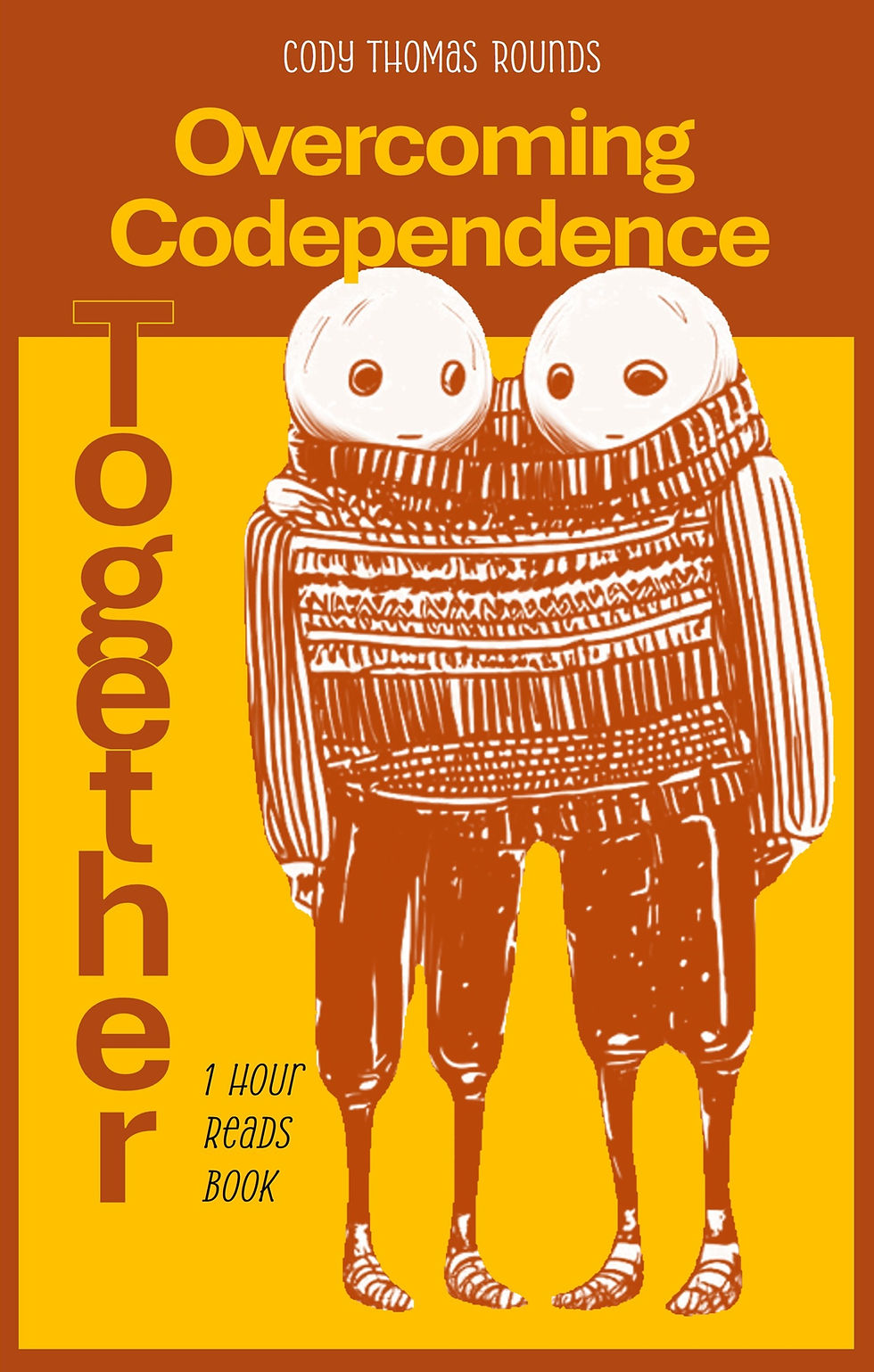


Powerful ideas, distilled. Each book delivers focused, actionable wisdom designed to be read in one sitting. Practical tools for growth, clarity, and leadership—sharp insights you can use right away, with resilience that stays long after you finish.
The series supports both personal and professional growth, helping readers thrive in all areas of life. Each book provides actionable steps to develop new skills and foster a growth mindset, empowering you to achieve meaningful, lasting change.
Reflective Reader
Step into classic stories as guides for your own growth. Each book combines timeless fiction with psychological insights and writing prompts—helping you uncover hidden dynamics, deepen awareness, and grow through rich, self-reflective reading.
The prompts encourage self reflection and exploration of your feelings, supporting inner work and personal growth. Drawing on self inquiry as a method, the process is designed to help you gain insight into your own life and experiences.


Editor in Chief
Cody Thomas Rounds
Cody Thomas Rounds is a licensed clinical psychologist- Master, Vice President of the Vermont Psychological Association (VPA), and an expert in leadership development, identity formation, and psychological assessment. As the chair and founder of the VPA’s Grassroots Advocacy Committee, Cody has spearheaded efforts to amplify diverse voices and ensure inclusive representation in mental health advocacy initiatives across Vermont.
In his national role as Federal Advocacy Coordinator for the American Psychological Association (APA), Cody works closely with Congressional delegates in Washington, D.C., championing mental health policy and advancing legislative initiatives that strengthen access to care and promote resilience on a systemic level.
Cody’s professional reach extends beyond advocacy into psychotherapy and career consulting. As the founder of BTR Psychotherapy, he specializes in helping individuals and organizations navigate challenges, build resilience, and develop leadership potential. His work focuses on empowering people to thrive by fostering adaptability, emotional intelligence, and personal growth.
In addition to his clinical and consulting work, Cody serves as Editor-in-Chief of PsycheAtWork Magazine and Learn Do Grow Publishing. Through these platforms, he combines psychological insights with interactive learning tools, creating engaging resources for professionals and the general public alike.
With a multidisciplinary background that includes advanced degrees in Clinical Psychology, guest lecturing, and interdisciplinary collaboration, Cody brings a rich perspective to his work. Whether advocating for systemic change, mentoring future leaders, or developing educational resources, Cody’s mission is to inspire growth, foster professional excellence, and drive meaningful progress in both clinical and corporate spaces.