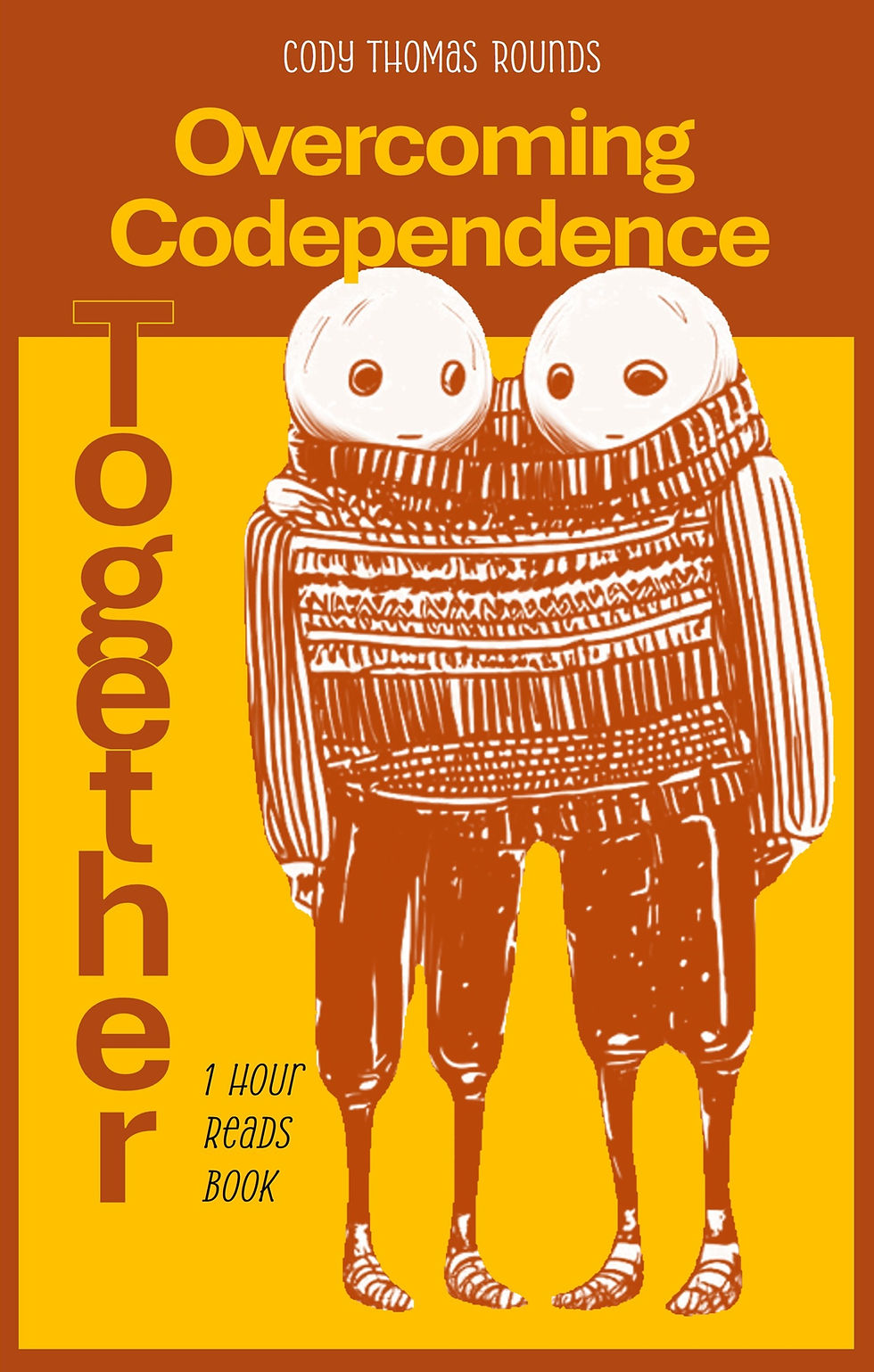
Marriage Counselor: How Professional Support Can Transform Your Relationship

Marriage counseling, also known as couples therapy, is a form of therapy that helps partners bridge divides, work through issues, and improve their relationships. In 2026, couples across all life stages are turning to professional support—whether they’re navigating communication breakdowns after years of remote work, recovering from an affair, adjusting to retirement, or blending families from previous marriages. The terms “marriage counseling,” “couples counseling,” and “couples therapy” are often used interchangeably, especially when services are provided by a licensed marriage and family therapist or another qualified family therapist.
Couples therapy can help individuals in all types of intimate relationships, regardless of sexual orientation or marital status, to strengthen their partnership and improve communication. This includes married couples, dating partners, LGBTQ+ relationships, and long-term committed partnerships. This article covers when to seek professional help, what happens during sessions, the key therapy approaches (including EFT, Gottman Method, and group therapy), and practical guidance on choosing the right professional. If you’re feeling anxious about reaching out to a marriage counselor, you’re not alone—and this guide is designed to make the process clearer and less intimidating.
What Is Marriage Counseling? Core Goals and Benefits
Marriage counseling is structured talk therapy focused on relationship repair and personal growth within partnerships. It typically runs as short- to mid-term work, spanning 8–20 sessions depending on the couple’s needs. A marriage counselor facilitates conversations in a neutral environment, helping partners understand dysfunctional patterns and equipping them with practical tools for healthier interactions. Marriage counselors offer a wide range of services designed to help couples navigate challenges, improve their connection, and build healthier relationship dynamics.
Common goals in marriage counseling include:
Improving communication skills so partners express needs without blame
Rebuilding emotional intimacy after periods of distance or betrayal
Resolving recurring conflicts around money, parenting, or household responsibilities
Clarifying decisions about staying together or pursuing separation
Developing conflict resolution strategies that prevent small disagreements from escalating
A marriage counselor typically works with both partners together and occasionally conducts individual sessions to understand each person’s perspective on patterns within the marriage and family system. Counselors assist in setting measurable goals for the relationship, such as improving communication and rebuilding trust.
Marriage counseling serves preventative purposes as well as crisis intervention. Premarital counseling helps couples achieve a deeper understanding of each other and iron out differences before marriage. Engaged couples can benefit from premarital counseling by learning to communicate, resolve conflict, and identify shared values and expectations about major life decisions. Research shows that premarital counseling can help couples build a solid foundation for their marriage, addressing issues such as anger management and trust-building. A 2023 Journal of Family Psychology meta-analysis found that premarital counseling reduces divorce risk by approximately 30%.
Couples therapy can benefit all types of relationships, whether dating or married, and is designed to help partners learn more about their partnership, resolve relationship problems, and build a stronger foundation. Research shows that nearly 90% of clients notice improvements in their emotional health after completing couples therapy, and over three-quarters feel enhancements in their relationship.
Real-world scenarios vary widely:
A couple in their 30s with young children might work on resolving chore disagreements and rebuilding connection after sleepless years
Partners in their 50s navigating an empty nest may renegotiate roles and rediscover shared meaning
Blended families might address step-parent boundaries and loyalty conflicts
Marriage Counselor vs. Marriage and Family Therapist vs. “Therapist”
Understanding professional titles helps you find the right support. “Marriage counselor” describes a role or function, while “marriage and family therapist” refers to a specific license (LMFT) recognized across all U.S. states. As of 2025, over 50,000 professionals hold LMFT licensure in the United States according to American Association for Marriage and Family Therapy reports.
Key distinctions between professional titles:
Licensed Marriage and Family Therapist (LMFT): Requires a master’s degree (typically 60 semester hours), 2,000–4,000 supervised clinical hours depending on state requirements, and passing both national and state licensure exams. LMFTs specialize in viewing relationship issues as part of interconnected family systems.
Licensed Professional Counselor (LPC) or Licensed Clinical Social Worker (LCSW): These mental health professionals may offer couples therapy but typically emphasize individual mental health conditions. A licensed clinical social worker brings training in systemic issues but may have less specialized focus on romantic relationships.
Psychologists (PhD/PsyD): Bring diagnostic expertise for mental health concerns like depression (affecting 20–30% of distressed couples) but may lack specific relational systems training unless they’ve pursued additional certification.
General “Therapist”: Without specialization in marriage and family, a general therapist may inadvertently pathologize one partner rather than addressing shared relationship dynamics.
Marriage counseling primarily focuses on resolving conflicts and improving communication within the relationship, while couples therapy delves deeper into individual mental health conditions affecting the relationship. The choice between marriage counseling and therapy often depends on whether the couple is looking to improve communication and resolve conflicts or to address individual mental health issues that impact the relationship.
Family therapists view problems in context of family dynamics—parenting stress, in-law conflict, multigenerational patterns—rather than treating symptoms in isolation. Training updates in 2024–2026 have incorporated telehealth competencies, with approximately 40% of sessions now conducted virtually according to APA surveys.
When Should You Consider a Marriage Counselor?
Couples do not need to be on the brink of divorce to benefit from marriage counseling. In fact, early intervention yields significantly better outcomes—research on Emotionally Focused Therapy shows 90% retention rates for couples who seek help before reaching crisis stage, compared to 50% for those who wait.
Common reasons couples seek marriage counseling:
Chronic arguing over money (the top issue for 35% of couples according to AAMFT data)
Sexual intimacy mismatches or declining physical connection
Parenting disagreements—from toddler screen time to teenage rebellion
Household chore imbalances creating ongoing resentment
Trust breaches including emotional or physical affairs
Blended-family stress around step-parent roles and loyalty conflicts
Major life transitions like retirement, becoming new parents, or caring for aging relatives
Financial issues are one of the most common reasons couples seek counseling, often arising from differences in spending habits and financial priorities that become more pronounced after retirement. Many couples grow apart over the years as they focus on individual interests, leading to a decline in romance and passion, which can be addressed through counseling.
Subtle signs that suggest it’s time to seek professional help:
Feeling more like roommates than romantic partners (reported by 67% of U.S. couples in a 2025 Gottman Institute survey)
Confiding in friends, family, or colleagues instead of your partner
Avoiding each other or difficult conversations
Repetitive arguments that never reach resolution
Common relationship issues that typically prompt counseling include communication breakdowns, unresolved conflicts, and emotional distance between partners. A family therapist can also help when extended-family conflict—such as caregiving for aging parents or navigating cultural expectations in multicultural couples—is straining the marriage and family dynamics.
Consider a couple in their early 60s: After decades focused on careers and raising children, they suddenly share constant time together in retirement. Old relationship patterns surface, financial disagreements about spending newfound free time emerge, and both partners feel lost without their work identities. Marriage counseling provides structure for renegotiating roles and rediscovering connection.
What to Expect in Marriage Counseling Sessions
A typical first therapy session involves intake and assessment. Your marriage counselor will gather relationship history, explore what brought you to counseling, and help each partner articulate their goals. Ground rules for respectful dialogue are established—no interruptions, focus on understanding rather than winning, and commitment to the process.
Usual session structure includes:
Weekly 50–60 minute appointments, sometimes shifting to biweekly after progress
Combination of joint sessions with both partners present
Occasional individual check-ins (about 10–20% of cases) to discuss private concerns
8–12 sessions for targeted issues, 3–6 months for deeper pattern work
Sessions offer a secure environment for vulnerability, allowing partners to share honest feelings and resentments. Counselors provide an impartial perspective, ensuring both partners feel heard and respected without taking sides. This creates a safe space where difficult conversations can happen constructively.
Common elements in marriage therapy include:
Setting goals together as a couple
Learning specific communication skills such as active listening and “I” statements
Practicing conflict resolution during sessions
Receiving homework assignments between appointments
Couples often receive homework or practical exercises to practice new communication and conflict-management skills. This might include daily 20-minute stress-reduction dialogues, appreciation exercises, or practicing soft start-ups to difficult conversations.
Counselors maintain confidentiality and do not take sides, acting instead as guides to facilitate communication. However, limits exist around safety concerns—if abuse, self-harm, or danger is disclosed, counselors are mandated reporters in all U.S. states.
Counseling sessions can be uncomfortable or emotionally challenging as couples address painful issues, past hurts, or breaches of trust. Skilled counselors pace emotional processing to prevent overwhelming either partner while still making meaningful progress. The temporary discomfort of unearthing resentments typically gives way to relief and improved understanding.
Key Approaches in Couples Therapy and Marriage Counseling
Evidence-based approaches help couples change entrenched relationship patterns rather than simply venting frustrations. Research from the American Association for Marriage and Family Therapy demonstrates strong outcomes: over 97% of surveyed clients believe they received the help they needed from couples therapy.
Emotionally Focused Therapy (EFT)
Emotionally Focused Therapy for Couples is based on attachment theory and aims to help partners express their emotional needs, leading to deeper intimacy and improved relationship satisfaction. Developed by Sue Johnson in the 1980s–1990s, EFT targets the attachment insecurities underlying 70–75% of relationship distress.
Therapists help uncover deeper emotional needs, attachment styles, or childhood wounds that influence current behaviors. Through a nine-step process, EFT restructures negative cycles like pursue-withdraw dynamics. Research shows 70–73% recovery rates for distressed couples and 86% stability at two-year follow-up.
Gottman Method
The Gottman Method Couples Therapy focuses on building trust and commitment, which are essential for improving relationships, and includes techniques to enhance communication and empathy between partners. Developed from over 40 years of research tracking more than 3,000 couples, this approach identifies the “Four Horsemen” of relationship decline: criticism, contempt, defensiveness, and stonewalling.
The Sound Relationship House framework provides tools for building friendship, managing conflict, and creating shared meaning. Gottman research can predict divorce with 91% accuracy based on interaction patterns. The method emphasizes maintaining a 5:1 ratio of positive to negative interactions in healthy romantic relationships.
Other Approaches
Some marriage counselors integrate Cognitive Behavioral Therapy (CBT) techniques to challenge distorted thoughts (reframing “They never listen” into specific behavioral observations) or use solution-focused brief therapy for accelerated progress.
Group therapy for couples provides a supportive environment where partners can share experiences and learn effective communication and conflict-resolution skills from both the therapist and other couples. Programs like PREP pair 6–8 couples together, reducing isolation and showing 50% lower relapse rates in randomized trials.
The American Association for Marriage and Family Therapy (AAMFT) reports that after completing couples therapy, almost 90% of clients notice improvements in their emotional health, and over three quarters of romantic partners feel enhancements in their relationship.
Marriage Counseling vs. Individual Therapy for Relationship Issues
Many couples wonder whether to start with individual therapy or couples therapy when relationship problems arise. Neither option is universally “better”—the right choice depends on your specific situation.
When couples or marriage counseling is preferable:
Frequent conflict that both partners contribute to
Emotional distance or feeling disconnected
Parenting disagreements requiring unified approaches
Communication breakdowns affecting daily interactions
Navigating conflict around shared decisions
Addressing relationship distress that involves both partners’ behaviors
When individual therapy should come first:
Untreated depression (which doubles divorce risk according to 2024 NIMH data)
Trauma requiring personal processing
Substance abuse requiring medical intervention or rehabilitation
Mental health conditions requiring medication management
Personal growth work on childhood patterns
Many licensed marriage and family therapists coordinate with individual therapists or psychiatrists when mental health services or medication management are part of the picture. Some partners do parallel work: seeing a couples therapist together while also pursuing personal therapy to address deeper patterns from childhood or previous relationships.
Mental health professionals across specialties can collaborate to support both relationship concerns and individual well-being. If one partner has significant mental health concerns that prevent productive engagement in couples work, addressing those first may be necessary.
Enhancing Communication Skills and Emotional Intimacy
Communication skills are central to marriage counseling and couples therapy because poor communication predicts 69% of divorces according to Gottman longitudinal studies. Couples therapy can help individuals learn effective communication and problem-solving skills, which can lead to improved relationship satisfaction and emotional health.
Specific skills commonly taught in sessions:
Active listening: paraphrasing your partner’s words without judgment
“I feel…because…I need…” formulas to express emotions without blame
Time-outs to de-escalate physiological flooding during heated arguments
Soft start-ups: beginning difficult conversations without accusation (“I’d love help with dinner cleanup” instead of “You never help”)
DEAR MAN techniques from DBT for assertive needs expression
Therapists highlight unhealthy recurring patterns of interaction to help partners understand the impact of their behaviors. By recognizing these patterns, couples can interrupt negative cycles before they escalate. Counselors help couples identify negative patterns and replace them with constructive problem-solving strategies.
Learning to fight constructively leads to better conflict resolution and repairing disagreements quickly. Studies from the Gottman Institute show that couples who master repair attempts after arguments achieve 94% friendship stability—a key predictor of long-term relationship satisfaction.
Rebuilding emotional intimacy involves vulnerability shares, trust ladders after betrayal (graduated disclosures over time), and regular connection rituals. This deeper understanding of each other’s inner world strengthens romantic bonds and restores the emotional connection that brought partners together initially.
Brief example: A couple in their 40s came to counseling stuck in constant criticism over household responsibilities and children’s schedules. Through enhancing communication skills—specifically learning soft start-ups and daily appreciation practices—they transformed their relationship dynamics. The changes extended to how they communicated in front of their children, reducing overall family tension and modeling healthy relationship patterns.
Special Situations: Blended Families, Retirement, and Parenting Stress
Significant life transitions and family changes often bring couples into counseling. Marriage counselors tailor interventions to specific family dynamics rather than applying generic advice.
Blended Families
Blended families represent approximately 16% of U.S. households as of 2025 Census data. These couples dealing with step-parent roles, loyalty conflicts, and integrating different parenting styles face unique relationship challenges.
A family therapist supports clearer boundaries through techniques like “yours-mine-ours” time blocks and co-parenting alignment between households. Research shows these interventions can cut conflict by 40% in blended family systems.
Retirement Transitions
Couples in their late 50s through 70s often experience relationship strain during retirement. The loss of work identity, changing daily routines, and disagreements over finances and free time create friction after decades of established patterns. Marriage counseling helps partners renegotiate roles through life-review exercises and goal clarification. AARP studies indicate couples counseling can boost adjustment to retirement by 35% compared to couples who navigate the transition alone.
Parenting Stress
Whether raising toddlers, managing teenage rebellion, or caring for children with special needs, parenting stress strains even strong relationships. New parents in their 30s face 50% higher conflict risk according to 2024 APA data, often due to sleep deprivation, misaligned expectations of fatherhood, and shifting priorities. Couples counseling helps partners stay a united team through boundary-setting, united-front parenting plans, and building empathy for each other’s exhaustion. Foster understanding between partners prevents parenting disagreements from eroding the romantic relationship.
Practical Considerations: Cost, Insurance, and Session Logistics
Understanding logistics helps couples plan for sustainable improvement in their relationship. Costs in the U.S. vary by region and provider type.
Typical costs in 2024–2026:
Factor | Range |
Standard session (50–60 min) | $120–$250 |
Urban areas | $200+ |
Rural areas | ~$100 |
Extended sessions (90 min) | $180–$350 |
Insurance and payment options: |
Approximately 60% of insurance plans cover licensed therapists (LMFT, LPC, LCSW, psychologist) for couples therapy when billed under relational distress codes like Z63.0
Employee Assistance Programs (EAPs) typically cap coverage at 6 free sessions
Sliding-scale options (20–50% reduction) available at many clinics
Community mental health centers offer reduced rates
Online marriage counseling has grown significantly, with approximately 40% of sessions now conducted virtually. Online couples therapy offers convenience for busy schedules, long-distance partners, or those in rural areas. HIPAA-compliant platforms provide secure video connections, though some couples prefer in-person work for difficult conversations.
Before committing, ask about:
Cancellation policies (typically 24-hour notice required)
Recommended session frequency
Estimated treatment length (average 12–20 sessions)
Whether online or hybrid formats are available
How to Choose the Right Marriage Counselor
The therapeutic relationship—and both you and your partner feeling safe—are among the best predictors of successful couples therapy. Research indicates that fit predicts approximately 50% of variance in outcomes.
Key criteria for selecting a good marriage therapist:
Criterion | What to Look For |
Licensure | LMFT, LPC, LCSW, or psychologist with couples specialization |
Training | Certification in EFT, Gottman Method, or other evidence-based approaches |
Experience | 100+ hours working with couples; experience with your specific issues |
Cultural fit | Sensitivity to your faith, cultural background, or identity where relevant |
Practical steps for choosing: |
Schedule brief consultation calls (often 15–30 minutes free)
Prepare questions about their approach to high-conflict sessions
Ask how they handle infidelity, potential separation work, or situations where one partner is less motivated
Assess whether their style feels balanced—supportive of the relationship while honest about patterns needing change
Both partners should feel reasonably comfortable and heard. If one person consistently feels sided against or dismissed, it’s acceptable to switch counselors early in the process. A licensed therapist should balance neutrality with active guidance. When seeking professional support, directories like Psychology Today allow filtering by specialty, insurance accepted, and therapeutic approach. Look for someone who balances warmth with directness—a supportive environment where real change can happen.
FAQs About Marriage Counselors and Couples Therapy
How long does marriage counseling usually take before we see progress?
Most couples begin noticing initial shifts within 4–8 sessions as they learn new communication patterns and gain insights into their relationship dynamics. Sustained improvement typically requires 12–20 sessions depending on the complexity of issues. EFT research shows that couples who commit to the full process maintain gains at two-year follow-up at rates of 86%. Your marriage counselor should discuss expected timelines during initial sessions and adjust the treatment plan as progress unfolds.
Can marriage counseling help if only one partner is motivated?
Yes, though outcomes vary. When one partner attends consistently while the other participates reluctantly, success rates range from 30–50% according to AAMFT data. The motivated partner can still gain relationship skills that influence couple dynamics. Sometimes individual changes inspire the reluctant partner to engage more fully. If your partner refuses entirely, individual therapy focused on relationship patterns remains valuable for your own personal growth and well-being.
Is couples therapy appropriate for non-married or LGBTQ+ partners?
Absolutely. Marriage and family therapy is fully inclusive of unmarried couples, LGBTQ+ partners, and all committed relationships. AAMFT affirms that relationship counseling serves anyone seeking to strengthen their partnership. Many mental health professionals specialize in working with diverse relationship structures. When choosing a therapist, ask about their experience with your specific relationship type to ensure cultural competence and a supportive environment.
What if counseling leads us to decide to separate?
Sometimes couples seek therapy hoping to save their relationship but ultimately decide separation is healthiest. A skilled marriage counselor respects this outcome. Discernment counseling (typically 1–5 sessions) specifically helps couples gain clarity about whether to work on the relationship, separate, or take a break. If separation becomes the path forward, counselors can help partners navigate the process constructively, particularly important when children or shared assets are involved. Resolve differences with dignity rather than destructive conflict.
How do I prepare for our first session with a marriage counselor?
Arrive ready to share your perspective honestly. Consider writing brief notes about your goals, specific triggers or recurring conflicts, and any non-negotiables. Think about what a stronger relationship would look like for you. During your healing journey, expect questions about your relationship history, what brought you to counseling, and what you each hope to achieve. Approach the session with openness rather than a fixed agenda. Your counselor will guide the conversation and help resolve conflict from the very first meeting.
Conclusion: Taking the First Step Toward a Healthier Relationship
Marriage counseling, couples therapy, and family therapists offer proven pathways for improving communication, rebuilding trust, and restoring emotional intimacy. Research conducted by the American Association of Marriage and Family Therapy found that over 97% of those surveyed believe they received the help they needed from couples therapy. Whether you’re couples dealing with chronic conflict, navigating conflict around parenting, or simply wanting to strengthen relationships before problems escalate, professional support provides tools most couples lack on their own.
Reaching out to a marriage counselor represents an investment in your partnership and family—not a sign of failure. Change requires time, effort, and commitment from both you and your partner, but evidence-based approaches offer coping strategies and conflict resolution skills that create sustainable improvement. Stronger emotional connection and healthier relationship dynamics are achievable. Consider scheduling an initial consultation this week—the relationship you want is worth pursuing.