Poverty Is Crime: How the Criminal Justice System Punishes Being Poor

In the United States in the 2020s, everyday acts of survival by poor people—sleeping in public, missing court fines, being unable to afford money bail—are routinely punished as crimes. This isn’t about every poor person being a criminal. It’s about laws, police practices, and court policies that treat poverty itself as a criminal condition.
The central themes explored here include criminalizing homelessness, money bail that prices freedom, fines and fees that trap families in debt, and a criminal justice system that converts social problems into criminal ones. Using concrete examples like the 2024 Supreme Court ruling on public camping and bail reforms in New Jersey and Illinois, this article grounds its argument in current data. The goal is to show how reducing poverty and inequality—not punishing it—actually improves public safety.
Anti-homelessness ordinances turn poverty and survival activities into criminal offenses, pushing vulnerable people deeper into the justice system.
The Criminalization of Poverty in Everyday Life
The criminalization of poverty refers to laws and practices that punish people not for harmful conduct but for being poor. Loitering, panhandling, sleeping outside, and unpaid tickets become gateways into the justice system for those without resources.
Sitting or lying in public spaces
Sleeping or camping outdoors
Panhandling or asking for help
Living in vehicles
Economic stress from poverty can lead individuals to commit crimes such as theft and drug trafficking as a means of survival. The perception of unfair inequality—not just absolute poverty—drives individuals toward illegal acts when society offers no legitimate path forward.
Welfare rules and criminal law interact to keep poor families under constant threat. Minor rule violations, benefit fraud investigations, and court fines create cascading consequences that trap families in cycles of punishment.
Homelessness and the Law: Sleeping Outside as a Crime
For tens of thousands of people without shelter on any given night in cities like Los Angeles, Phoenix, and Seattle, simply sleeping in public spaces can result in tickets, arrests, or jail. The National Homelessness Law Center found that from 2006 to 2019, citywide bans on camping increased by 92 percent, bans on sitting or lying in public rose by 78 percent, and panhandling restrictions jumped by 103 percent.
The 2024 U.S. Supreme Court decision in Grants Pass v. Johnson allowed cities to enforce bans on camping and sleeping in public even when shelter beds are unavailable. Critics argue this effectively criminalizes homelessness as a status rather than conduct.
During encampment sweeps, local governments often confiscate tents, blankets, IDs, and medications—making it harder for people to find jobs, attend court, or secure housing. Research shows that criminalizing homelessness costs more than providing permanent supportive housing. These laws inflate crime rates on paper by creating offenses out of survival behaviors without improving public safety.
Money Bail: Freedom for Sale Before Trial
Money bail allows wealthier defendants to pay for release while poor defendants remain jailed, even when charged with the same offense and presumed innocent. This creates a two-tiered system where those with financial means buy their liberty while low-income individuals languish behind bars.
More than two thirds of people in U.S. jails on a typical day are legally innocent pretrial detainees, many held solely because they cannot afford bail amounts as low as a few hundred dollars. Research indicates that individuals who cannot afford bail are more likely to face longer jail stays, which exacerbates their economic situation and increases the likelihood of reoffending.
The real-world impacts extend beyond jail:
Job loss and housing eviction
Coerced guilty pleas to secure release
Family separation and lost child custody
Higher future arrest risk due to destabilization
Reform examples prove alternatives work. New Jersey’s 2017 move to largely eliminate money bail cut pretrial jail population by 44 percent while court appearance rates improved to 89 percent. Illinois became the first state to end cash bail statewide in 2023, with early data showing stable public safety metrics.
Fines, Fees, and Debt: Owing the Court Because You Are Poor
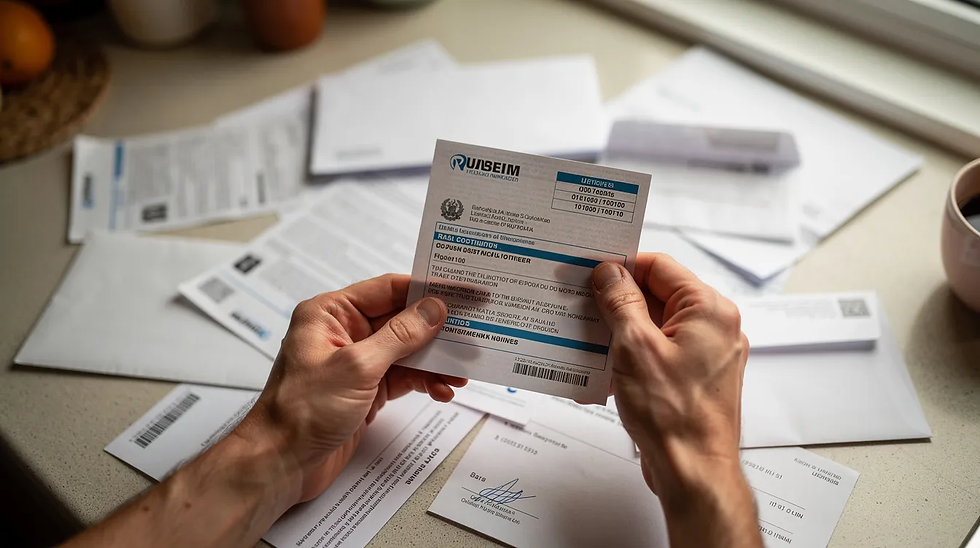
There’s a critical difference between fines (punishment for offenses) and fees (charges funding courts, jails, public defenders, and probation). Both fall hardest on people living near or below the poverty line.
Common scenarios include:
Initial Violation | What Happens | Final Cost |
$250 traffic ticket | Late fees, interest (20-30% in some states) | $2,000+ |
Missed payment | Driver’s license suspension | Job loss |
Continued nonpayment | Arrest warrant | Jail time |
Many jurisdictions impose fees even without conviction—booking fees, public defender application fees, probation fees, and daily jail charges that accrue during incarceration. Unpaid fines trigger license suspensions in 44 states, affecting 25 percent of low-income households and correlating with a 12 percent rise in unemployment.
Reports from Texas and Missouri show that aggressive fines-and-fees collection often costs governments as much as it raises while driving poor residents deeper into the system.
Escalating fines and fees trap low-income people in cycles of debt, license suspensions, and repeated jail stays.
Mental Health, Addiction, and the “Poor People’s Prison”
Poverty and mental illness or substance abuse often reinforce each other. U.S. jails have become de facto mental health and detox centers for people who cannot afford or access treatment. According to a 2017 report from the U.S. Department of Justice, 44 percent of people in jail have a history of mental illness.
Living near or below the poverty line creates stressors that increase the risk of developing significant mental health conditions. People experiencing poverty are more likely to have mental health conditions, and those with serious mental health conditions face challenges finding and keeping a job, which can lead to poverty.
Constant legal stress and the trauma of incarceration exacerbate mental health conditions and substance abuse issues linked to poverty. The criminal justice system managing social issues is costly and inefficient compared to direct social interventions like community mental health centers and crisis response teams.
Police dispatched to handle mental health emergencies often lead to arrest rather than care. Expert recommendations include civilian-led crisis response units, expanded community health services, and harm-reduction programs.
Race, Class, and the Geography of Criminalization
Poverty does not fall evenly in the U.S. Due to historic and ongoing discrimination, Black, Hispanic, and Indigenous communities experience higher poverty rates and heavier policing. Structural inequalities and discrimination based on race, gender, and socioeconomic status exacerbate the link between poverty and crime, pushing marginalized communities to the periphery of society.
The U.S. incarceration rate is highly unequal, with African American and Hispanic men, particularly those who dropped out of high school, being disproportionately represented in prison populations. Research by Bruce Western and Becky Pettit found that almost 70% of Black high school dropouts in 2009 had been imprisoned at some point by age 30—four-and-a-half times the rate of white high school dropouts.
About 1 in 9 Black children and 1 in 28 Hispanic children have had a parent in prison or jail, compared with about 1 in 57 white children. High levels of incarceration are associated with many negative consequences for individuals, families, communities, and society, particularly affecting communities of color.
Lower educational levels and limited access to job opportunities are often associated with poverty, leading individuals into a cycle of poverty and crime. High-poverty neighborhoods face saturated policing, surveillance, and stop-and-frisk tactics—increasing the likelihood that minor infractions become pathways into the criminal justice system and intensifying the negative impacts of crime on community well-being.
Poverty, Crime Rates, and Public Safety Myths
Real harm and violence exist, but conflating poverty with criminality distorts crime statistics and leads to counterproductive policies. Many crime numbers in high-poverty areas reflect enforcement of low-level offenses—trespassing, loitering, fare evasion—tightly linked to homelessness, not violent crime.

High-poverty areas often experience high unemployment, which results in a loss of jobs, role models, and community structures, exacerbating crime. Growing up in high-poverty areas can normalize criminal behaviors and weaken the influence of formal institutions. Areas with high poverty often experience more crime, as social breakdown weakens community bonds and support systems.
However, communities with strong social bonds and support systems tend to have lower crime rates, as these factors contribute to public safety and reduce criminal behavior. Research consistently shows that stable housing, steady income, and access to education and health care are strongly associated with lower crime rates.
Cities that invest more heavily in housing, education, and health often see better long-term safety outcomes than those focused primarily on punishment.
Reentry: How Punishment Extends Poverty After Prison
Even after their official sentence ends, people leaving prison or jail face barriers that keep them in poverty and at high risk of re-arrest. Over 650,000 people are released from state and federal prisons each year, and studies show that roughly two thirds are rearrested within three years—often linked to unstable housing, joblessness, and untreated health issues.
Families with a father in prison are more prone to homelessness and difficulty meeting basic needs, which perpetuates the cycle of poverty and crime. Common reentry barriers include:
Bans on public housing for people with records
Employer discrimination against formerly incarcerated individuals
Outstanding court debt blocking recovery
Parole rules difficult to follow without money or transportation
The criminal justice system not only punishes poverty but produces more of it, increasing future system contact instead of fostering rehabilitation.
Reforming a System That Treats Poverty as Crime

Criminal justice reforms:
Abolishing or sharply limiting money bail
Eliminating fines and fees for people below certain income thresholds
Decriminalizing sleeping and sitting in public
Expanding diversion programs
Policy reforms should include the elimination of poverty penalties, moving away from cash bail, abolishing predatory court fees, and ending incarceration for the inability to pay fines.
Social policy solutions:
Providing permanent housing without preconditions stabilizes families and allows them to better address issues like healthcare or job training
Expanding programs like SNAP and SSI significantly reduces the number of people living in poverty
Guaranteeing access to health care including mental health and addiction treatment
Instead of punitive measures, society should address the root causes of poverty through preventative and supportive measures. Decriminalizing survival behaviors and redirecting law enforcement resources toward community-driven solutions can alleviate poverty while improving safety outcomes. Investing in community-based supports and opportunities is a more effective path to safety than criminalizing poverty.
FAQs: Questions About Poverty and Criminalization
Is poverty itself a crime in the United States?
Poverty is not a crime in statute, but a network of ordinances and policies—anti-camping laws, money bail, fines and fees, vagrancy-style rules—effectively makes being poor punishable. A homeless person repeatedly ticketed and jailed for sleeping in public because shelters are full illustrates how survival actions become criminal for those without resources. Wealthier people commit similar or worse harms but have more ways to avoid arrest, fines, or jail.
Does ending money bail or decriminalizing homelessness increase crime?
Studies from jurisdictions that have reduced or eliminated cash bail—like New Jersey after 2017 and Illinois after 2023—show no spike in failure-to-appear rates or violent crime. Cities shifting away from punishing homelessness and instead investing in housing and services have seen stable or improved public safety. Implementation matters, but evidence challenges claims that treating poverty less punitively automatically raises crime rates.
What can individuals do to help change how poverty is treated in the criminal justice system?
Concrete steps include supporting local bail funds, volunteering with reentry or housing organizations, and donating to legal aid groups challenging excessive fines. Engaging with local policy debates—city council meetings about encampment sweeps, state bills on money bail, campaigns against license suspensions for unpaid fines—makes a difference. Voting in local elections for sheriffs, prosecutors, judges, and city officials remains one of the most powerful tools individuals have.
How does the criminalization of poverty affect children and families?
When a parent is jailed for unpaid fines, minor offenses, or poverty-related conduct, families can lose income, housing stability, and even child custody. Black and Hispanic children are far more likely than white children to have an incarcerated parent, linking this to deeper patterns of racialized poverty and policing. Policies keeping parents out of jail for minor poverty-related offenses and investing in family support reduce intergenerational cycles of both poverty and criminal justice involvement.
Are there countries that handle poverty and crime differently?
Many Western European countries invest more heavily in social safety nets—housing, health care, unemployment benefits, education—and have lower incarceration rates than the U.S. While no country has eliminated crime or poverty, systems treating housing and health as rights rather than privileges rely less on jails to manage social problems. These examples show alternatives to criminalizing poverty are real-world policy choices that can be adapted.
Conclusion: Choosing Justice Over Punishment of the Poor
In contemporary America, poverty is routinely treated as crime through money bail, fines and fees, anti-homeless laws, and policing practices targeting survival behaviors. The consequences are stark: higher jail populations without greater safety, entrenched racial and class inequalities, broken families, and communities locked into cycles of poverty and incarceration.
Reforms work. Ending cash bail, decriminalizing homelessness, and investing in housing, health care, and good jobs can reduce crime rates more effectively than punishing poverty ever has. New Jersey, Illinois, and cities embracing Housing First models demonstrate that humane alternatives produce better outcomes for everyone.
The criminalization of poverty is not inevitable. It is a set of policy choices that citizens, leaders, and communities can replace with evidence-based approaches to public safety and justice. The question is not whether we can afford to stop punishing poverty—it’s whether we can afford to continue.