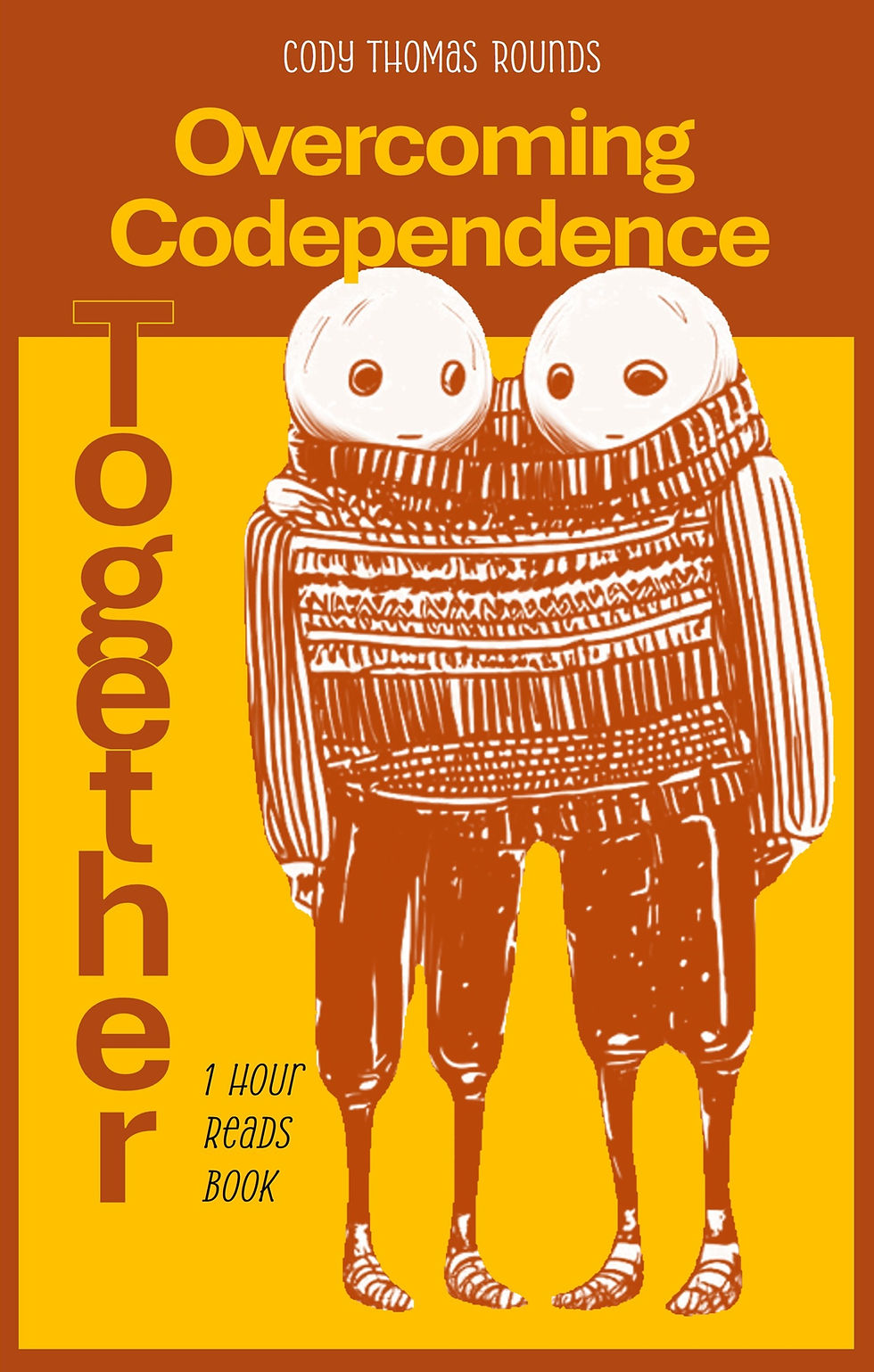
Transforming Relationships Through Couples Therapy

Relationships can be challenging. Even the strongest bonds face moments of tension, misunderstanding, or distance. When problems arise, it can feel like the connection is slipping away. Couples therapy offers a path to healing and growth, helping partners rediscover understanding and build a stronger foundation.
How Couples Therapy Changes Relationships
Couples therapy is more than just talking about problems. It provides a safe space to explore feelings, improve communication, and develop new ways to support each other. The process helps uncover patterns that may be harming the relationship and offers tools to change them.
One key benefit is learning to listen deeply. Often, partners hear words but miss the emotions behind them. Therapy encourages active listening, where each person feels truly heard and valued. This shift can reduce conflicts and build empathy.
Therapy also helps identify unmet needs. When needs go unspoken, frustration grows. By expressing these needs clearly, partners can work together to meet them. This creates a sense of teamwork and shared purpose.
Another important aspect is managing emotions. Couples often get stuck in cycles of blame or withdrawal. Therapy teaches ways to stay calm and connected even during disagreements. This emotional regulation supports healthier interactions.
Practical Tools and Approaches in Therapy
Different therapists use various methods, but many focus on communication skills, emotional awareness, and problem-solving. For example, some use exercises that encourage partners to share positive memories or express appreciation regularly. These small actions can rebuild warmth and trust.
Role-playing is another technique. It allows partners to practice new ways of responding in a controlled setting. This builds confidence and helps break old habits.
Therapists may also guide couples in setting goals. Clear goals give direction and motivation. They might include improving intimacy, resolving specific conflicts, or planning for future challenges.
Examples of Supportive Services in Couples Therapy
When seeking help, you might find different services designed to support your journey. For instance, Emotionally Focused Therapy (EFT) focuses on creating secure emotional bonds. It helps partners understand their attachment needs and respond with care.
Another option is Gottman Method Couples Therapy, which is based on research about what makes relationships succeed. It offers practical exercises to improve friendship, manage conflict, and create shared meaning.
If you want to explore these approaches, consider working with a professional like cody thomas rounds, who combines clinical psychology with career advising. This blend can be especially helpful if your relationship challenges connect with personal growth or life transitions.

When to Consider Couples Therapy
You might wonder if therapy is right for you. It can help at any stage, whether you are facing a crisis or simply want to strengthen your connection. Signs that therapy could be useful include:
Frequent arguments that don’t resolve
Feeling distant or disconnected
Difficulty trusting or forgiving
Struggles with communication
Facing major life changes together
Starting therapy early can prevent problems from deepening. It also shows commitment to the relationship’s health.
What to Expect in a Therapy Session
Sessions usually last about 50 minutes. The therapist will ask questions to understand your story and goals. You will both have a chance to speak and listen. The therapist may suggest exercises or homework to practice between sessions.
Therapy requires honesty and effort. It can feel uncomfortable at times, but that discomfort often leads to growth. Progress may be gradual, but each step builds a stronger connection.
Supporting Your Relationship Outside Therapy
Therapy is a tool, but daily habits also matter. You can support your relationship by:
Setting aside regular time to talk without distractions
Expressing appreciation often
Practicing patience and kindness
Being open about feelings and needs
Working together on shared goals
These actions reinforce what you learn in therapy and keep your bond healthy.

Comparing Therapy Approaches
If you explore therapy options, you might notice differences between services. For example:
Emotionally Focused Therapy (EFT) focuses on emotions and attachment. It helps partners create secure bonds by understanding their emotional responses.
Gottman Method emphasizes communication skills and conflict management. It uses research-based exercises to build friendship and shared meaning.
Both approaches offer valuable tools. Your choice depends on your needs and preferences. A skilled therapist can guide you toward the best fit.
Taking the First Step
Reaching out for help can feel daunting. It takes courage to admit challenges and seek support. Remember, therapy is a sign of strength and hope. It shows a willingness to grow and care for your relationship.
If you decide to try couples therapy, look for a licensed professional with experience in relationship work. You might start with a consultation to see if the therapist feels like a good match.
Final Thoughts on Transforming Your Relationship
Couples therapy offers a path to deeper understanding and connection. It helps partners break negative patterns and build new ways of relating. With patience and effort, therapy can transform challenges into opportunities for growth.
By investing in your relationship, you create a foundation that supports both your personal well-being and shared happiness. Whether you face conflict, distance, or life changes, therapy can guide you toward a stronger, more fulfilling partnership.
Take the step to explore therapy options and consider how services like those offered by cody thomas rounds might support your journey. Your relationship deserves care and attention, and help is available to guide you forward.