Defense Mechanisms: Types, Examples, and How They Shape Everyday Life

Every day, your mind performs invisible work to protect you from uncomfortable emotions, painful memories, and internal conflict. This psychological defense happens so quickly that you rarely notice it-dismissing critical feedback at work, minimizing a worrying health symptom, or blaming a partner for tension you helped create.
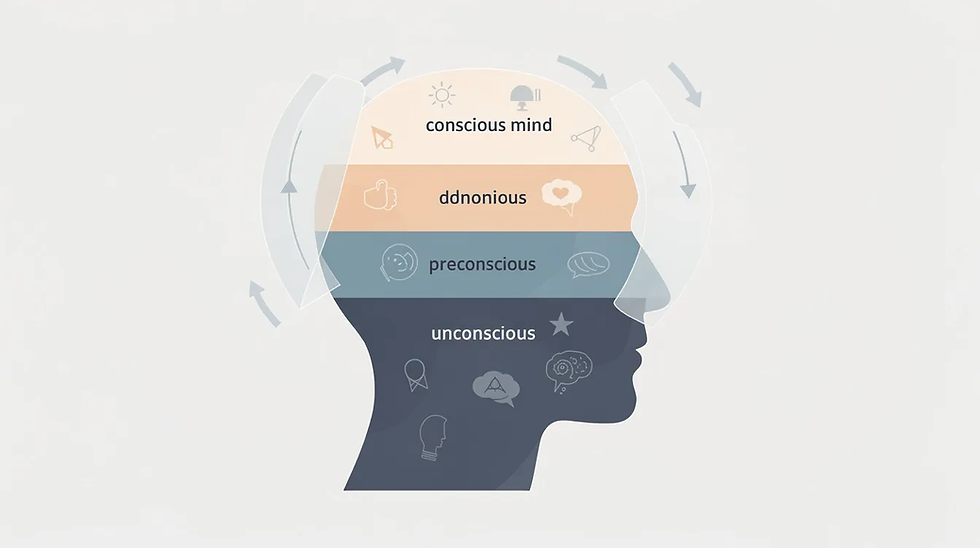
The concept of defense mechanisms was pioneered by Sigmund Freud in his works from 1894 and 1896, where he identified several “ego defenses” based on his clinical observations in Vienna. The early 20th century saw the development of psychoanalytic theory, which recognized the role of unconscious processes in human behavior, including the use of defense mechanisms to manage anxiety and maintain self-esteem.
Anna Freud, Sigmund Freud’s daughter, significantly expanded her father’s theories in 1936 by categorizing ten distinct types of defense mechanisms and detailing their functions in child development. Whether you spell it “defense mechanisms” (American English) or “defence mechanisms” (British English), the concept remains the same: involuntary mental processes that distort, deny, or reshape reality to reduce distress.
In Freud’s model, the ego mediates between primitive desires (the id), moral constraints (the superego), and external reality. When these forces clash, defense mechanisms kick in. Understanding defense mechanisms matters because they shape your mental health, relationships, and capacity for personal growth-often without you realizing it.
How Defense Mechanisms Work in the Mind
Defense mechanisms work as unconscious operations of the ego, automatically managing anxiety, shame, and internal conflict before you’re even aware a threat exists. They’re distinct from conscious coping strategies-deliberate approaches you choose when facing stress.
Consider the difference: joking about a failed exam with friends is a conscious coping mechanism. Completely “forgetting” the exam date because you were anxious about it is an unconscious defense (likely repression). One involves conscious awareness; the other operates beneath it.
Research indicates that the use of defense mechanisms can be linked to coping styles that either contribute to vulnerability or act as protective factors in mental health. Vaillant’s longitudinal Grant Study, started in 1938 and tracking Harvard students across decades, demonstrated that individuals who predominantly used more adaptive defenses showed better relationships, career stability, and physical health throughout their lives.
Defenses aren’t fixed. They can shift over the lifespan-becoming more or less mature depending on development, trauma, supportive relationships, or therapeutic intervention. A teenager who relies heavily on acting out may, with stable relationships and insight, develop more mature mechanisms by their thirties.
Major Levels of Defense Mechanisms
Psychologists have organized defense mechanisms into hierarchical levels based on their adaptiveness and impact on functioning. George Eman Vaillant introduced a four-level classification of defense mechanisms, which includes pathological, neurotic, immature, and mature defenses, correlating with psychological maturity and adaptation.
Perry’s Defense Mechanism Rating Scale (DMRS), developed in the 1990s, expanded this into seven levels, providing researchers with detailed scoring systems. The classification of defense mechanisms ranges from adaptive to maladaptive, with higher-level defenses associated with better psychological functioning and lower-level defenses linked to greater emotional distress and psychological disorders.
Defense mechanisms can be categorized into levels of adaptiveness, ranging from high-adaptive mechanisms like sublimation and humor to pathological mechanisms that distort reality and are associated with psychological disorders.
The four main clusters we’ll explore:
Level | Reality Distortion | Flexibility | Typical Context |
Pathological | Severe | Very rigid | Psychotic states, severe personality disorders |
Immature | Moderate | Rigid | Adolescence, personality disorders |
Neurotic | Mild to moderate | Somewhat flexible | Functioning adults under stress |
Mature | Minimal | Highly flexible | Well-adapted adults |
 |
Pathological Defense Mechanisms
Pathological defense mechanisms represent the most severe distortion of external reality. These strategies are rigid, inflexible, and typically seen in psychotic states and severe personality disorders, overlapping conceptually with primitive psychological defenses. They fundamentally impair an individual’s ability to engage with present reality.
The DSM-IV-TR (2000) tentatively included a defensive functioning axis, and pathological defenses align with the lowest “psychotic” levels on Perry’s DMRS. While the DSM-5 (2013) didn’t carry this forward as a formal axis, the clinical relevance remains.
Key pathological defenses include:
Delusional projection: Attributing one’s own unacceptable impulses to others with fixed, false beliefs-believing coworkers are plotting against you when no evidence exists.
Psychotic denial: Complete refusal to acknowledge obvious reality, such as insisting a deceased loved one is still alive.
Distortion: Grossly reshaping external events to match internal needs, often with grandiose or persecutory themes.
Denial is a defense mechanism characterized by an outright refusal to admit or recognize that something has occurred or is currently occurring, often used to shield the ego from uncomfortable truths-though in pathological forms, this denial breaks from reality entirely.
Data from the National Epidemiologic Survey on Alcohol and Related Conditions (NESARC Wave 2, 2004–2005) linked pathological defenses to significantly lower SF-12 mental health component scores. These patterns appeared more frequently among younger individuals, those with lower income, and those who had never married.
Immature Defense Mechanisms
Immature defenses are more common than pathological ones and represent the next level on the hierarchy. They’re frequently observed during adolescence and in certain personality disorders, providing temporary relief while ultimately undermining self and interpersonal functioning; understanding Level 2 immature defense mechanisms can clarify how these patterns develop and affect relationships.
Some of the most common types of defense mechanisms at this level include—and often overlap with what many frameworks call primitive defense mechanisms:
Acting out: Expressing emotional conflict through impulsive behavior rather than words-risky driving after an argument, or impulsive spending following rejection.
Passive aggression: Indirect expression of hostility, such as “forgetting” commitments, giving backhanded compliments, or sending subtly hostile emails.
Projection: Attributing one’s own unacceptable qualities or feelings to others, allowing individuals to express desires or impulses in a way that reduces anxiety. Accusing a partner of being distant when you’re the one withdrawing.
Fantasy: Retreating into elaborate daydreams or online worlds to avoid emotional distress in real relationships.
Somatization: Converting psychological distress into physical symptoms-chronic headaches during family conflict with no medical cause.
Research from a Frontiers study (2023–24) examining approximately 2,700 outpatients found that those with depression scored significantly higher on immature defenses and lower on mature mechanisms. The study demonstrated that immature defenses mediated the relationship between negative life events and depressive symptoms.
Excessive use of defense mechanisms can lead to the development of psychological disorders such as depression, anxiety, and personality disorders. While immature defenses might appear “normal” in everyday life, they consistently undermine intimacy, work performance, and long-term goals.
Neurotic Defense Mechanisms (Including Reaction Formation)
Neurotic defenses occupy a middle ground-reducing anxiety by distorting inner experience more than outer reality. They’re common among otherwise functioning adults and become problematic mainly when overused or rigidly applied.
Repression serves as a central example. You might completely “forget” a threatening medical recommendation-perhaps a 2022 scan that showed concerning results-because confronting it feels overwhelming. The memory isn’t consciously suppressed; it’s pushed out of conscious awareness entirely.
Reaction formation deserves special attention as one of the most fascinating neurotic defenses. It involves transforming an unacceptable impulse into its opposite. Examples include:
Showing exaggerated politeness toward someone you secretly resent
Publicly moralizing against behaviors you privately struggle with
Excessive caretaking that masks underlying anger toward a dependent family member
Rationalization is the formulation of logical, acceptable explanations for problematic actions or disappointing situations-convincing yourself you didn’t want the job you weren’t offered anyway.
Other neurotic mechanisms include:
Displacement: Taking out frustrations, feelings, and impulses on people or objects that are less threatening, such as expressing anger towards family after a bad day at work.
Intellectualization: Analyzing emotional situations in purely logical terms to avoid emotional reaction.
Isolation of affect: Separating feelings from facts-describing a traumatic event without any emotional awareness.
Regression: Reverting to an earlier, more childlike developmental stage when facing severe stress-becoming unusually dependent during illness.
These common defense mechanisms can be adaptive in moderation but contribute to anxiety disorders, obsessive patterns, and relationship problems when overused.
Mature Defense Mechanisms
Mature defense mechanisms represent the most adaptive level of defensive functioning. These psychological strategies are flexible, reality-respecting, and support resilience without significant distortion. They don’t prevent you from feeling conflicting emotions-they help you navigate them constructively.
Healthy defense mechanisms, like humor, altruism, and sublimation, help individuals handle stress in productive ways. Adaptive defense mechanisms, such as humor and sublimation, can enhance psychological well-being and promote personal growth.
Key mature mechanisms include:
Humor: Using wit to acknowledge uncomfortable truths without overwhelming yourself. During the COVID-19 peaks in 2020–2021, ICU staff frequently employed dark humor to manage the psychological toll-a documented coping pattern that supported rather than undermined functioning.
Sublimation: Channeling unacceptable impulses into socially acceptable behaviors. Sublimation is a defense mechanism that allows individuals to channel unacceptable impulses into socially acceptable behaviors, such as taking up a sport to vent frustration or channeling grief into advocacy work.
Anticipation: Realistic planning for future discomfort-saving money before a known layoff date or having difficult conversations before a terminal illness progresses.
Suppression: Consciously choosing to delay dealing with painful feelings until an appropriate time-focusing on a presentation now and grieving later.
Altruism: Meeting your own needs through genuinely helping others-volunteering after personal loss in ways that provide mutual benefit.
Vaillant’s Grant Study tracked participants from the late 1930s into old age. Those who predominantly used mature defense mechanisms in mid-life showed better personal satisfaction, relationship stability, career outcomes, and even physical health decades later.
The contrast with immature defenses is stark: joking with your partner about tension versus stonewalling and silent treatment; channeling frustration into a challenging project versus acting out through passive aggression.
Defense Mechanisms Across the Lifespan: Age and Development
Defense mechanisms evolve significantly from childhood through older adulthood. Understanding defense mechanisms includes recognizing that they’re not static traits but developmental capacities that shift over time.
Childhood (ages 3–6): Primitive defenses like denial and magical thinking predominate. A child might insist their deceased pet is “just sleeping” or believe they caused their parents’ divorce through bad behavior. These mechanisms reflect developing cognitive capacities rather than pathology.
Late childhood and adolescence: Projection often peaks around ages 10–11. Immature defenses like acting out, fantasy, and somatization become more prominent as identity pressures intensify. External stressors during this period can slow defensive maturation.
Adulthood: With stable relationships, social support, and sometimes therapy, most adults shift toward neurotic and mature mechanisms. However, trauma, chronic stress, or personality disorders can fixate someone at less adaptive levels.
Older adulthood (60s–80s and beyond): Many older adults show increased use of mature mechanisms-acceptance, humor, anticipation, altruism. However, physical illness, isolation, or loss can trigger regression or somatization.
Consider an adult who regressed to childlike dependence during a 2021 ICU stay for severe COVID-19. The overwhelming threat temporarily overwhelmed more mature defenses, illustrating how extreme circumstances can shift anyone’s defensive patterns.
Rigid persistence of primitive defenses (like splitting or extreme idealization/devaluation) in late adolescence or adulthood often signals emerging borderline personality disorder or other personality disorders requiring clinical attention.
Defense Mechanisms in Everyday Life and Relationships

Defense mechanisms aren’t abstract psychological concepts-they shape everyday life in concrete ways. Once you recognize them, you’ll see them operating at home, work, school, and in online interactions.
In romantic relationships, projection frequently appears. One partner accuses the other of being “emotionally distant” to avoid emotional distress about their own withdrawal. Rationalization helps justify behavior that damaged trust. Reaction formation might appear as excessive caretaking that masks resentment.
At work, defense styles shape team dynamics:
Intellectualization during corporate layoffs (“This is just business optimization”)
Passive aggression in email responses to avoid direct confrontation
Denial of feedback (“My manager doesn’t understand the real issues”)
Sublimation channeling frustration into ambitious projects
During the remote-work transition of 2020–2022, many professionals experienced heightened displacement-snapping at family members after frustrating video calls rather than addressing work conflicts directly.
Online interactions often enable immature defenses: fantasy retreats into curated digital personas, passive aggression through indirect posts, projection in text arguments (“you hate me” instead of “I feel rejected”).
When defenses remain unrecognized, they fuel conflict cycles, “ghosting,” blame patterns, and burnout. Mature mechanisms support better communication, clearer boundaries, and more sustainable future relationships.
Recognizing and Shifting Unhelpful Defense Mechanisms

Defense mechanisms are normal parts of mental processes. Defense mechanisms can offer short-term emotional relief but can hinder personal growth if over-relied upon. The good news: once noticed and reflected upon, defensive patterns can shift.
Self-reflection steps:
Keep a feelings log after conflicts-what happened, how you reacted, what you might have been avoiding
Notice recurring patterns: “I always blame the other person,” “I always minimize my feelings”
Ask trusted friends for feedback about your typical reactions under stress
When defensive, pause and ask: “What am I trying not to feel right now?”
Therapeutic approaches provide structured support for this work:
Psychodynamic psychotherapy helps bring unconscious defenses into awareness
Mentalization-based therapy enhances capacity to reflect on your own mental states and others’
CBT challenges irrational beliefs underlying defensive patterns
While initially part of psychoanalysis, recognizing defense mechanisms is still a useful tool in modern therapy for building self-awareness
Defense substitutions offer concrete targets:
From denial of alcohol problems → suppression plus active help-seeking
From passive aggression → direct but respectful communication
From projection → self-assertion about your own needs
From chronic rationalization → accepting reality and taking responsibility
When to seek professional help: If defenses consistently interfere with work, lead to repeated relationship breakups, cause self-harm, or create severe emotional distress. Progress typically unfolds over months to years rather than days-defensive patterns developed over a lifetime don’t shift overnight.
Research and Classification Systems for Defense Mechanisms
Scholars have worked to classify and measure defenses systematically since the mid-20th century. The DSM-IV-TR includes a classification of defense mechanisms based on Vaillant’s hierarchical view, which includes mechanisms such as denial, rationalization, and projection.
Vaillant’s framework emerged from the Grant Study, which began tracking Harvard students in 1938. His four-level system (psychotic, immature, neurotic, mature) provided an empirically validated hierarchy correlating defensive maturity with life outcomes across decades.
Perry’s Defense Mechanism Rating Scale (DMRS), developed in the 1990s, expanded this into seven defensive levels with 30 distinct mechanisms. Both observer-rated versions and self-report/Q-sort versions exist for clinical psychology research.
DSM considerations: The DSM-IV-TR (2000) proposed a Defensive Functioning Axis requiring clinicians to identify predominant defense levels. Though not carried forward as a formal axis in DSM-5 (2013), the concepts remain clinically relevant for understanding defense and personality psychopathology.
Recent developments: The PDM-2 (Psychodynamic Diagnostic Manual, 2017) emphasizes defensive functioning in personality assessment. More speculatively, a 2023 paper proposed “distortion of time perception” as a potential ego-defense mechanism-though this awaits future research validation.
Empirical research from the 1990s–2020s consistently shows that changes in defense styles during therapy parallel symptom improvement. Studies examining eating disorders, substance use, and mental disorders all demonstrate links between defensive patterns and treatment outcomes.
Images: Visualizing Defense Mechanisms
Throughout this article, four key images help illustrate these concepts:
Id-Ego-Superego Diagram (near introduction): Shows where defense mechanisms operate as the ego mediates between competing psychological forces.
Defense Hierarchy Pyramid (near Major Levels section): Visual representation of the four levels from pathological through mature, with examples at each tier.
Workplace Conflict Scenario (in Everyday Life section): Illustrated thought bubbles showing different defensive responses to the same stressful situation.
Growth Illustration (near Recognizing section): Before-and-after depiction symbolizing the shift from rigid, blame-focused defenses toward reflection and open communication.
FAQs About Defense Mechanisms
Are defense mechanisms always unhealthy?
No-defense mechanisms are a normal part of mental life. They only become problematic when rigid, extreme, or fundamentally disconnected from external reality. Mature mechanisms like humor, altruism, and anticipation often correlate with better psychological well being and relationship satisfaction. Using humor to cope with exam stress is healthy. Chronic denial of a serious 2024 medical diagnosis that prevents treatment-that’s maladaptive.
Clinicians don’t aim to eliminate defenses entirely. The goal is helping clients shift toward more flexible, adaptive functioning. Everyone uses protective strategies; what matters is whether they support or undermine long-term wellbeing.
Can I change my defense mechanisms without therapy?
Some change is possible through self-observation, mindfulness, and feedback from trusted people. Keeping a journal, pausing before reacting in conflicts, and asking “what am I trying not to feel right now?” can build emotional awareness over time.
However, deeply rooted defenses tied to traumatic memories, traumatic event responses, or personality structure often require professional support to shift safely. Self-deception by definition operates outside conscious awareness-you can’t always see what you’re not seeing.
A realistic approach for many adults combines self-help practices with occasional therapy check-ins, especially during high-stress periods or relationship difficulties.
How do defense mechanisms relate to personality disorders?
Certain personality disorders feature characteristic defense patterns. Borderline personality disorder involves heavy reliance on splitting (seeing people as all-good or all-bad) and projective identification. Narcissistic personality disorder often features idealization, devaluation, and denial of vulnerability.
Research from the 1990s onward shows that changes in defensive style during long-term therapy often parallel overall symptom improvement in abnormal psychology contexts. However, having a particular defense doesn’t automatically indicate a personality disorder-diagnosis requires comprehensive clinical evaluation of adaptive functioning and interpersonal functioning patterns.
Are defense mechanisms the same as coping skills?
Not quite. Coping mechanisms and defense mechanisms differ primarily in consciousness. Defense mechanisms are largely unconscious and automatic-you don’t choose them in the moment. Coping strategies are deliberate approaches you consciously select.
Example contrast: Using exercise intentionally to manage stress is a coping skill.
Unconsciously displacing anger onto a friend after a work conflict is a defensive operation.
Therapy often helps people convert automatic defenses into more conscious, deliberate coping and defense mechanisms repertoires. Reflecting on which of your patterns feel “automatic” versus “chosen” helps you begin distinguishing between them.
Further remarks on this distinction: defense mechanisms typically develop earlier in life as responses to unacceptable desires, unacceptable thoughts, and external events that overwhelmed available resources-while coping skills can be learned at any age.
Conclusion
Defense mechanisms-from pathological defenses to mature mechanisms-shape how you think, feel, and relate to others in ways you rarely notice. These psychological strategies emerged in the early 20th century as Freud and his successors mapped the ego mechanisms protecting us from anxiety provoking situations and emotional conflict.
Understanding that denial, projection, reaction formation, and other common defense mechanisms operate in your everyday life is the first step toward healthier responses. Maladaptive mechanisms like denial and repression can hinder emotional development, while adaptive mechanisms like humor and sublimation genuinely support wellbeing.
View your defenses with curiosity rather than blame.
They once served a protective role-perhaps shielding you during painful feelings in childhood or helping you accept reality you weren’t ready to face. The goal isn’t elimination but evolution toward socially acceptable ways of managing conflicting emotions that preserve both self-esteem and relationships.
With insight, practice, and professional help when needed, you can gradually shift toward more mature, flexible coping strategies. Start this week: simply notice what triggers your defensive patterns and how they serve you. That gentle experiment in self-awareness is where real change begins.