Maladaptive Defense Mechanisms: How They Harm Mental Health and What To Do Instead
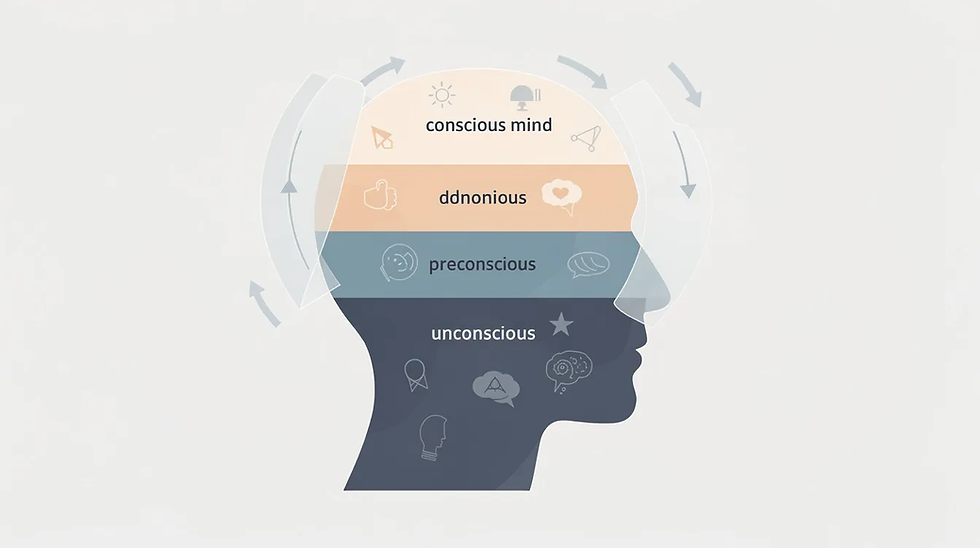
Defense mechanisms are psychological strategies used by individuals to cope with feelings of stress or anxiety, and they can vary in their effectiveness, potentially causing further harm or aiding in coping. These unconscious brain processes operate automatically, helping the mind manage internal conflict and uncomfortable thoughts without conscious awareness. The concept traces back to Sigmund Freud, who first introduced the concept of defense mechanisms in the 19th century, linking them to the subconscious defenses of the id, ego, and superego.
A maladaptive defense mechanism is any pattern that might reduce distress in the short term but worsens relationships, functioning, or mental health over time. Examples include using substances to numb negative feelings, chronic withdrawal from social contact, or self harm as a way to manage overwhelming emotions. While these behaviors offer temporary relief, they maintain or intensify underlying problems.
This article will orient you to the types of defense mechanisms-from primitive to mature-and show how maladaptive defenses appear in borderline personality disorder and everyday life. You’ll learn evidence-based ways to shift toward healthier coping, understand how these defenses interact with anxiety, depression, trauma, and personality disorders, and discover when professional help is essential. The tone here is nonjudgmental: everyone uses defense mechanisms, and the goal is awareness and change, not blame.
Defense Mechanisms 101: From Freud to Modern Mental Health
Understanding defense mechanisms is essential to modern mental health practice because they shape how we respond to stress, conflict, and distressing thoughts. When clinicians recognize a patient’s defensive patterns, they can tailor treatment more effectively.
Freud originally conceptualized the mind as divided into three parts: the id (instinctual drives), ego (reality-oriented mediator), and superego (moral conscience). Conflicts among these structures produce anxiety, and the ego deploys defense mechanisms to reduce that anxiety. These processes operate largely outside conscious awareness, shaping behavior without the person fully recognizing what’s happening.
Anna Freud, Sigmund Freud’s daughter, further developed the concept in the 20th century by defining ten major defense mechanisms, a number that has since been expanded by later psychoanalysts. Her 1936 work systematized common defenses such as repression, projection, and regression-terms that remain foundational in psychiatry and clinical psychology today.
In the early 20th century, defense mechanisms were seen as pathological contributors to psychological disorders, but by the 1960s, theories began to recognize their dual nature as potentially adaptive or maladaptive. George Vaillant introduced a four-level classification of defense mechanisms in 1986, which has been validated through numerous studies and expanded to include 25 different mechanisms. His hierarchy-pathological/primitive, immature, neurotic, and mature-helps clinicians predict life satisfaction, work relationships, and psychiatric symptoms.
The distinction between “defense mechanisms” (a neutral term) and “maladaptive defense mechanisms” (defenses that cause or maintain problems) matters in practice. For example, occasionally avoiding a difficult conversation might be harmless, but chronic avoidance that prevents addressing relationship problems becomes maladaptive.
Levels of Defense: Primitive, Immature, Neurotic, and Mature
Not all defense mechanisms are harmful. Their adaptiveness depends on both the type of defense and the context in which it’s used. Defense mechanisms can be broadly classified into two categories: primitive (or immature) defenses and mature defenses, with mature defenses being more adaptive and primitive defenses being less adaptive.
Defense mechanisms can be categorized on a continuum from adaptive to maladaptive, with less adaptive mechanisms often associated with psychological disorders and distress symptoms.
Primitive (Pathological) Defenses
Primitive defense mechanisms severely distort perception of external reality and are often found in psychotic states or under extreme stress. These include psychotic denial (completely refusing to acknowledge obvious facts) and delusional projection, along with other primitive psychological defenses like distortion, idealization, and devaluation.
They represent the lowest level of defensive functioning and are linked to significant impairment. Primitive defense mechanisms include denial, projection, and regression, while mature defense mechanisms include sublimation, humor, and anticipation; a deeper exploration of Level 1 primitive defenses such as denial, distortion, projection, idealization, and devaluation can clarify how these processes affect relationships and mental health.
Immature Defenses
Immature defenses involve less severe distortions but remain rigid and maladaptive. These Level 2 immature defense mechanisms commonly appear in everyday life and relationships. Examples include:
Acting out (expressing unconscious conflicts through impulsive behavior)
Splitting (seeing people as all good or all bad)
Passive aggression (expressing hostility indirectly)
Schizoid fantasy (retreating into daydreams instead of engaging with reality)
Hypochondriasis (converting emotional distress into physical symptoms)
The use of immature defense mechanisms, such as denial and projection, is associated with higher instances of psychological disorders, including depression and anxiety. These defenses are particularly prevalent in personality disorders like BPD and substance use disorders.
Neurotic Defenses
Neurotic defenses allow reality testing but distort internal experience. Common examples include reaction formation (behaving opposite to true feelings), repression (pushing unacceptable thoughts or feelings from conscious awareness), displacement, intellectualization, and mild dissociation. In otherwise functioning adults, overuse of neurotic defenses can still lead to distress.
Mature Defenses
Higher-level defense mechanisms, such as sublimation and humor, are considered more adaptive as they help individuals cope with stress in healthier ways compared to lower-level defenses. Mature defenses include:
Humor (acknowledging difficult realities while finding lightness)
Sublimation (channeling unacceptable impulses into constructive activities)
Altruism (helping others in ways that also meet one’s own needs)
Anticipation (planning for future stressors)
Suppression (consciously postponing attention to uncomfortable situations)
Research from longitudinal studies shows that as people age, use of immature defenses typically declines while mature defenses increase. Higher defense maturity correlates with better life adaptation, occupational success, and relationship quality.
Maladaptive Defense Mechanisms in Everyday Life

Many “maladaptive” defenses are common responses to stress and often represent patterns learned from family and culture. The use of defense mechanisms is common among individuals with mental health disorders, such as anxiety and depression, as they help manage uncomfortable feelings and thoughts. These behaviors often result in impaired emotional regulation and are commonly observed in assessments of anxiety, depression, and trauma.
Common Everyday Patterns
Consider these concrete examples of maladaptive behavior patterns functioning as defenses:
Defense Pattern | Everyday Example | Short-term Effect | Long-term Consequence |
Avoidance | Skipping medical appointments | Reduced immediate anxiety | Untreated health problems |
Withdrawal | Staying home to avoid social anxiety | Temporary comfort | Isolation, depression |
Passive aggressive behavior | Sarcasm, “forgetting” tasks | Indirect expression of anger | Damaged trust, conflict |
Numbing | Binge eating or substance use | Escape from feelings | Addiction, health issues |
These patterns may bring brief relief but ultimately increase anxiety, isolation, conflict, or health problems-turning them into maladaptive defense mechanisms. |
Maladaptive Daydreaming and Fantasy
Schizoid fantasy involves retreating into an elaborate inner world instead of engaging with life’s challenges. A person might spend hours lost in imaginary scenarios rather than addressing a relationship conflict or work problem. While imagination itself is healthy, when fantasy consistently replaces real-life coping and problem-solving, it becomes maladaptive.
Trauma and Maladaptive Defenses
Trauma-including childhood sexual abuse, domestic violence, and combat exposure-can intensify reliance on maladaptive defenses. Following a traumatic event, survivors often rely heavily on avoidance, dissociation, and even self harm because these mechanisms provided protection during overwhelming circumstances. Without intervention, these patterns persist long after the danger has passed.
Borderline Personality Disorder and Maladaptive Defense Mechanisms
Borderline personality disorder (BPD) is a severe mental health condition marked by emotional instability, intense fear of abandonment, impulsivity, and frequent self harm or suicidal behavior. Understanding defense mechanisms in BPD is crucial because defensive patterns directly influence treatment response.
Core Defenses in BPD
Individuals with borderline personality disorder often utilize maladaptive defenses like splitting and projection, which can exacerbate interpersonal conflicts and emotional dysregulation. Core borderline defenses include:
Splitting: Seeing people as entirely good or entirely bad, often shifting rapidly between these extremes
Projective identification: Attributing one’s own unacceptable feelings to others while evoking those feelings in them
Acting out: Expressing overwhelming emotions through impulsive actions rather than words
Chronic self harm: Using physical pain to manage unbearable emotional distress
These defenses serve to manage intense fear and anger but damage relationships through sudden idealization and devaluation, interfere with work or school functioning, and increase emergency visits.
Research on Defense Functioning in BPD
Research indicates that lower defensive adaptiveness is associated with poorer treatment outcomes in patients with borderline personality disorder (BPD), suggesting that understanding a patient’s defense mechanisms can inform treatment strategies.
A study published in Frontiers in Psychology examined 80 individuals with borderline personality organization and found that those with suicide attempt histories had significantly higher immature defense style scores. Specifically, projection alone increased odds of suicide attempts by approximately 22%. Each unit increase in immature defense score increased odds of suicide attempt by about 3.5%.
The encouraging news: treatment can gradually shift patients toward more mature defense styles, improving overall functioning.
Case Insight: Defense Mechanisms and DBT Outcomes in BPD
This section summarizes key findings from clinical research using dialectical behavior therapy (DBT) with borderline personality disorder, focusing on how maladaptive defense mechanisms predict treatment outcomes.
Study Design
A representative study published in Psychotherapy Research examined approximately 60 outpatients with BPD, randomized to either 6-month or 12-month DBT programs in an academic setting. Researchers measured observer-rated overall defensive functioning (ODF) and specific immature defenses early in treatment, then tracked self-reported self harm frequency over time using statistical models.
Key Findings
The results revealed important patterns:
Baseline Defense Pattern | Treatment Outcome |
Lower overall defensive functioning (ODF) | Smaller reductions in self harm regardless of treatment length |
Higher “major image-distorting” defenses (splitting, projective identification) | Poorer response in 6-month DBT |
Higher “minor image-distorting” defenses | Better self harm reduction in 6-month DBT |
Effects | Less pronounced in 12-month treatment |
Statistically, lower ODF predicted smaller self-harm reductions (IRR = 0.92, 95% CI 0.86-0.99, p = .020). |
Clinical Implications
These findings suggest that patients with more maladaptive defensive styles may need:
Individualized DBT treatment plans
Longer courses of therapy
Explicit focus on defense mechanisms to reduce self harm effectively
Another RCT found that adding DBT skills training to treatment-as-usual led to larger increases in defense functioning and decreases in borderline-specific defenses compared to standard treatment alone.
Common Maladaptive Defenses: What They Look Like
This section serves as a practical guide to help you recognize specific maladaptive defense mechanisms in yourself or loved ones.
Key Defenses Defined
Denial involves completely refusing to accept or acknowledge an obvious, painful reality to escape immediate emotional pain. Example: A person continues drinking heavily while insisting they “don’t have a problem” despite multiple health warnings.
Projection refers to rejecting one’s own unacceptable impulses or flaws by falsely attributing them to someone else. Example: Someone who feels attracted to a coworker accuses their partner of being unfaithful.
Passive aggressiveness involves expressing hostility indirectly through sarcasm, “forgetting” responsibilities, or giving the silent treatment rather than communicating directly. Example: A coworker who’s angry about a decision “accidentally” fails to forward important emails.
Reaction formation means adopting attitudes or behaviors exactly opposite to one’s true feelings. Example: Someone with repressed memories of enjoying forbidden activities becomes excessively moralistic about those same behaviors in others.
Acting out involves expressing unconscious conflicts through impulsive action rather than reflection. Example: Following a painful breakup, someone engages in reckless sex or sudden self harm rather than processing grief.
Additional Patterns
Regression involves reverting to primitive, childlike behaviors or earlier developmental stages when confronted with stress. Example: An adult throws temper tantrums when frustrated, similar to a child who has just been potty trained reverting to accidents.
Displacement is the act of redirecting hostile or threatening emotions away from their true target onto a safer recipient. Example: After a conflict with a boss, someone comes home and snaps at their partner or kicks the dog.
Conversion/Somatization involves expressing psychological distress through physical symptoms. Example: Developing unexplained headaches or stomach pain during stressful situations at work.
Dissociation involves mentally disconnecting from thoughts, feelings, or surroundings under stress. Example: “Zoning out” during difficult conversations or feeling like events are happening to someone else.
Maladaptive defense mechanisms, such as acting out, avoidance, and denial, can lead to significant behavioral issues and complicate psychiatric treatment. Maladaptive defense mechanisms hinder long-term adaptation and lead to social isolation, conflict, and increased anxiety. Recognition of these patterns is a skill-building step, not a reason for shame or self-criticism.
Mature vs Maladaptive: Moving Toward Healthier Defense Mechanisms

Mature defense mechanisms help you stay in touch with reality and your values while regulating emotion. Maladaptive defenses, by contrast, distort reality or help you escape responsibility. Adaptive defense mechanisms transform stress instead of burying it, promoting long-term health and social connection.
Examples of Mature Defenses
Humor: Lightly joking about yourself or difficult situations without cruelty or denial of genuine distress
Sublimation: Channeling anger into a contact sport, art, or other constructive activity
Altruism: Helping others in ways that genuinely meet your needs too, without self-erasure
Anticipation: Realistically planning for stressors (financial challenges, difficult conversations)
Suppression: Consciously choosing to postpone-but not deny-difficult conversations until an appropriate time
Practical Contrasts
Maladaptive Pattern | Mature Alternative |
Passive aggressiveness (silent treatment) | Assertive communication with appropriate humor |
Self harm to manage overwhelm | Sublimation through running, art, or journaling |
Denial of relationship problems | Anticipation and direct conversation |
Projection (attributing one’s negative attributes to others) | Self-reflection and ownership of feelings |
Developing mature defenses usually requires intentional practice, feedback from trusted others, and often therapy-especially for those with histories of trauma or personality disorders. |
A longitudinal study in Personality and Individual Differences following men over 70 years demonstrated that adaptive defenses in midlife predict better objectively assessed physical health at ages 70, 75, and 80. Social support partially mediates this relationship-mature defenses help people maintain the connections that protect health.
Maladaptive Defenses, Self Harm, and Other Risky Behaviors
Some maladaptive defense mechanisms directly or indirectly raise the risk of self harm and other dangerous behaviors. Understanding this connection is essential for both prevention and treatment.
Self Harm as Acting Out
Self harm-cutting, burning, or overdosing-can function as acting out, transforming overwhelming emotional pain into physical pain that feels more controllable in the moment. For many, it provides temporary relief from negative emotions that seem unbearable.
Research on first-episode major depressive disorder found that patients with non-suicidal self-injury showed significantly more immature defense style use compared to those without NSSI (mean scores 5.35 vs 3.79). Self-injury frequency correlated negatively with mature defense styles.
Other Risky Behaviors
Substance misuse, binge eating, compulsive sex, or reckless driving can all be viewed as avoidance or dissociation-based defenses designed to escape feelings or repressed memories. These patterns are common in:
Borderline personality disorder
Complex PTSD
Major depressive disorder
Eating disorders
Anxiety disorders
Trauma survivors may rely heavily on such defenses when lacking safer coping skills.
Important: If you’re currently engaging in self harm or experiencing suicidal thoughts, please seek immediate professional help. Evidence-based therapies including DBT, CBT, and trauma-focused treatments are specifically designed to provide alternative skills.
How Therapy Helps Transform Maladaptive Defense Mechanisms
Most therapies, even when not using psychoanalytic language, work partly by shifting people from maladaptive to more adaptive defense mechanisms.
Defense mechanisms are unconscious strategies used by individuals to cope with anxiety and internal conflicts, and they play a significant role in psychotherapy by helping patients manage their emotional distress.
Psychodynamic Psychotherapy
Psychodynamic therapy directly focuses on defense mechanisms play in mental health-pointing out patterns of intellectualization, projection, or reaction formation to increase insight and emotional tolerance. Research indicates that the effectiveness of psychodynamic therapy can be influenced by the patient’s use of defense mechanisms, with adaptive defenses often leading to better treatment outcomes compared to maladaptive defenses.
Long-term psychodynamic therapy studies show that improvement in defensive functioning correlates strongly with external measures of functioning and symptoms five years later (r ≈ 0.58–0.60).
Dialectical Behavior Therapy (DBT)
DBT for BPD teaches concrete skills in four modules:
Mindfulness (present-moment awareness)
Distress tolerance (surviving crises without acting out)
Emotion regulation (managing negative feelings effectively)
Interpersonal effectiveness (communicating needs assertively)
These skills directly reduce reliance on acting out, self harm, and splitting by providing alternative responses to intense emotions.
Cognitive-Behavioral Therapy (CBT)
CBT helps people challenge distorted thoughts (a cognitive form of denial or distortion) and practice healthier behaviors instead of avoidance or withdrawal. This approach addresses anxious thoughts directly, building tolerance for anxiety provoking situations.
The identification and understanding of defense mechanisms in patients can enhance therapeutic outcomes by improving self-awareness and facilitating better communication between the patient and therapist.
Practical Steps: Noticing and Changing Your Own Defenses
Self-observation, not self-judgment, is the foundation of change. You don’t need to be in therapy to start recognizing your own patterns-though professional support often helps with deeper work.
Exercises for Self-Awareness
Emotion and behavior journal: Keep brief daily notes about triggers, reactions, and possible underlying feelings. When you notice a strong response, ask: “What might I be defending against?”
Trusted feedback: Ask close friends or partners about recurring patterns they observe. Their perspective can reveal blind spots in your own thoughts.
Post-conflict reflection: After disagreements, consider whether defenses like denial, displacement, or passive aggressiveness might have been operating.
Body awareness: Notice physical symptoms like tension, headaches, or stomach discomfort during stressful situations-these may signal underlying emotions being defended against.
Small Shifts to Practice
Express irritation directly rather than through sarcasm (addressing passive aggressiveness)
Tolerate a short period of anxiety instead of immediately escaping via avoidance or substances
Name your true feelings to yourself before responding (countering denial)
Channel frustration into a contact sport or creative activity (practicing sublimation)
Set realistic goals-perhaps noticing one defense pattern per week-and celebrate incremental progress toward more mature defense mechanisms. Deeply ingrained maladaptive defenses, especially those linked to trauma or borderline personality disorder, usually need professional support to change safely. Self-help is valuable but has limits.
When to Seek Professional Help

Certain signs indicate that professional mental health care is essential rather than optional.
Urgent Signs
Recurring self harm or suicidal thoughts
Severe dissociation (losing time, feeling unreal for extended periods)
Substance dependence interfering with daily life
Unacceptable behavior that harms yourself or others repeatedly
Other Indicators
Relationships repeatedly ending in similar conflicts
Strong emotional reactions that feel out of proportion to events
Difficulty remembering parts of emotional episodes
Feedback from others that you seem “defensive” or unreachable
Obsessive compulsive patterns that feel driven by anxiety you can’t identify
What to Expect
An initial mental health assessment typically includes questions about:
Current stressors and symptoms
Coping skills and patterns
Early experiences and family history
Goals for treatment
This process isn’t about pathologizing you-it’s about understanding how defense mechanisms play out in your life and developing a plan for change.
Types of Professionals
Several types of providers work with defense mechanisms:
Psychiatrists: Medical doctors who can prescribe medication and provide therapy
Clinical psychologists: Doctoral-level providers specializing in assessment and therapy
Licensed psychotherapists: Masters-level clinicians trained in various therapeutic approaches
Treatment may involve DBT, CBT, psychodynamic therapy, or integrative approaches. Seek providers who explain concepts in clear, collaborative language and who tailor treatment length and intensity to your individual needs-especially important in borderline personality disorder, where further research continues to refine best practices.
Frequently Asked Questions (FAQs)
Is it possible to completely get rid of maladaptive defense mechanisms?
The goal isn’t to eliminate all defenses-they’re universal and necessary for managing life’s challenges. Instead, the aim is reducing reliance on the most harmful patterns while increasing use of flexible, mature defenses over time. Research from the American Journal of Psychiatry and related publications consistently shows that defense functioning improves with therapy and life experience, but some defensive tendencies remain throughout life. The key is developing enough awareness to choose healthier responses when it matters most.
How can I tell the difference between a defense mechanism and a personality trait?
Defense mechanisms are situation-dependent strategies that emerge especially under stress, while personality traits are more stable patterns across contexts. For example, someone might use projection only during conflicts with authority figures but be quite self-aware in other relationships. However, repeated use of a particular defense-such as chronic denial-can create the appearance of a personality trait. The distinction matters clinically because defenses are often more changeable than core traits, offering a practical target for therapy. StatPearls Publishing resources note this distinction is important for accurate assessment.
Do children and teenagers use different defense mechanisms than adults?
Yes. Developmental research shows that younger children rely more heavily on denial and projection, as these require less cognitive sophistication. Adolescence often features identification with peers, idealization of role models, splitting, and regression during stress-partly reflecting the brain’s ongoing development. Moving toward mature defenses like humor, sublimation, and anticipation is part of normal psychological development. Adults who continue relying heavily on primitive defense mechanisms may have experienced trauma or disrupted development that warrants professional attention.
Can medication change my defense mechanisms?
Medications can reduce symptoms like anxiety, depression, or psychosis, which may indirectly make it easier to use healthier defenses. When someone is less overwhelmed by fear or negative thoughts, they have more cognitive resources for reflection rather than automatic defensive reactions. However, actual changes in defensive style generally come from psychological therapies and life experience rather than medication alone. Medication can be valuable as part of a comprehensive treatment plan, particularly for anxiety disorders or major depressive disorder, but seeking therapy remains essential for deep defensive change.
Is using humor to cope always a mature defense?
Humor is typically classified as a mature defense when it acknowledges reality and emotions without cruelty-for example, making a gentle joke about your own nervousness before a presentation. However, humor becomes maladaptive when used to avoid any serious conversation, humiliate others, or deny genuine distress. Someone who responds to every attempt at intimacy with jokes or who uses sarcasm to deflect is using humor defensively in ways that damage connection. The key distinction is whether humor enhances communication and emotion regulation or serves as another form of avoidance.
Conclusion
Maladaptive defense mechanisms are unconscious patterns that protect us from anxiety in the short term but often damage relationships, functioning, and mental health over time. From Sigmund Freud’s original insights through Anna Freud’s systematic catalog and George Vaillant’s empirical hierarchy, understanding defense mechanisms has become central to modern clinical practice.
As we’ve explored, primitive and immature defenses like splitting, projection, acting out, and passive aggressiveness are particularly common in borderline personality disorder and other conditions-but they also appear in everyday stress responses for many people. These defenses are connected to self harm, substance misuse, and other risky behaviors, especially when safer coping skills are lacking.
The encouraging evidence is clear: defenses can change. Therapies like DBT, CBT, and psychodynamic psychotherapy help people shift toward mature defense mechanisms that support rather than undermine well-being. Recognizing your own defensive patterns isn’t a sign of weakness-it’s a sign of growing self-awareness and the first step toward genuine change.
Consider taking one concrete step today: start a brief emotion journal, reach out to someone you trust about patterns you’ve noticed, or schedule a consultation with a mental health professional. Even long-standing defenses shaped by trauma can evolve with time, support, and practice. Your capacity for growth is larger than any defense mechanism.