I’m Healthy: What It Really Means
- Cody Thomas Rounds

- 4 days ago
- 10 min read
Saying “I’m healthy” sounds simple but it carries more meaning than it did a generation ago. It is not just about avoiding illness, looking fit, or getting through the day without pain.
Today, health is a practical mix of measurable numbers, daily habits, emotional resilience, social support, preventive care, and how well your body and mind let you live the life you want. This guide breaks down what “I’m healthy” really means now, how to check yourself honestly, and where to focus if something feels off.
Fast Answer: Am I Really “Healthy” Right Now?
“I’m healthy” means more than “I don’t feel sick today.” Being healthy is a holistic state of physical, mental, and social well-being, supported by daily habits, preventive care, and the ability to function well in normal life.
According to the World Health Organization (WHO), health emphasizes personal and social resources as much as physical capacities. That means your blood pressure matters, but so do your relationships, sleep, stress, finances, and ability to recover when life gets hard.
Here is a quick checklist.
You are likely in a good health position if you generally have:
Blood pressure near the normal range, ideally below 120/80 mm Hg under current cardiovascular guidance.
Quality sleep, defined as 7–9 hours of restful sleep per night.
At least 150 minutes of moderate-intensity aerobic activity per week, plus strength training when possible.
Consistent energy levels without relying heavily on caffeine, energy drinks, or sugar.
A balanced diet built around vegetables, fruit, whole grains, lean proteins, healthy fats, and enough hydration.
Stable mental health, including mood regulation, focus, and the ability to handle stress without constant overwhelm.
No smoking, no vaping, and moderate or no alcohol.
Routine preventive care, including physical exams, relevant tests, vaccinations, and age-appropriate screenings.
Key indicators of health include consistent energy levels, a balanced diet, regular physical activity, quality sleep, and stable mental health.
A quick point: do not self-diagnose from one article, one wearable reading, or one online quiz. If you have symptoms, abnormal numbers, or personal concerns, talk with a qualified professional.
True health includes your body, mental health, social life, financial stability, and sense of control. A person can have normal labs and still struggle with burnout, isolation, debt stress, or poor sleep. Those things matter.
What “I’m Healthy” Meant in the Past vs. What It Means Today
In the past, many people used “I’m healthy” to mean “I’m not in pain,” “I’m not in the hospital,” or “my weight looks normal.” Today, that view is too narrow. Modern wellness looks at the whole person: body and mind, prevention, sleep, relationships, digital habits, and long-term risk.
Here is the shift in simple terms:
Area | 1990s view | 2020s view |
Weight | “Normal weight” often meant healthy | Waist size, muscle mass, metabolic markers, and healthy weight all matter |
Illness | No obvious disease meant good health | Silent risks like high blood pressure, prediabetes, and high cholesterol are tracked early |
Exercise | Gym workouts were optional | Regular movement is treated as core preventive care |
Sleep | Often ignored or treated as laziness | Sleep quality is linked to heart, metabolic, and emotional health |
Mental health | Discussed less openly, often with stigma | Anxiety, depression, burnout, and therapy are part of normal health conversations |
Social life | Seen as separate from medicine | Maintaining strong social connections is linked to longer, healthier lives |
Digital habits | Barely existed as a health factor | Screen time, social media overwhelm, and attention fatigue are now part of the picture |
The COVID-19 pandemic from 2020–2022 widened the public view of health. Many people learned that “not currently sick” is not the same as resilient. Long COVID, disrupted routines, grief, isolation, and rising anxiety rates made mental health and prevention impossible to ignore. |
In 2026, saying “I’m healthy” implies active habits:
You move regularly.
You eat in a way that supports your body.
You sleep enough.
You know when stress is becoming too much.
You use preventive care before problems become emergencies.
You pay attention to relationships and finances, not just lab results.
This does not mean you need a perfect routine. It means your overall health depends on the lifestyle habits you keep, including diet, exercise, sleep, and stress management, and that consistent daily habits matter more than short bursts of effort.
Wellness must be integrated seamlessly into everyday life, as a healthy body contributes to a brilliant mind and fulfilling life.
Physical Health: Can I Honestly Say “I’m Healthy”?
Physical health is still the foundation of being able to say “I’m healthy.” You do not need elite fitness, visible abs, or perfect genetics, but your body should be able to support your daily responsibilities without constant fatigue, pain, or unmanaged risk.
The main physical markers to watch include:
Blood pressure
Resting heart rate
BMI and waist size
Strength
Stamina
Blood sugar
Cholesterol
Absence of unmanaged chronic disease, such as uncontrolled diabetes or hypertension
The 2025 ACC/AHA blood pressure guidance continues to treat normal blood pressure as below 120/80 mm Hg. A single high reading is not always a crisis, but repeated high readings are worth discussing with a clinician.
Other useful benchmarks include:
Fasting glucose under 100 mg/dL is generally considered normal.
HbA1c under 5.7% is generally considered non-diabetic.
Total cholesterol under 200 mg/dL is often considered desirable.
Resting heart rate for many adults falls around 60–80 beats per minute, though trained athletes may be lower.
Maintaining a healthy weight is important for lowering the risk of chronic diseases like heart disease and diabetes.
The CDC physical activity guidelines recommend engaging in at least 150 minutes of moderate-intensity aerobic activity per week for physical health. That could mean brisk walking, cycling, swimming, dancing, or another activity that raises your breathing rate.
By May 2026, step counts are still best viewed as a practical tracking tool rather than the only official standard. Many people use 7,000–10,000 steps per day as a helpful range. Another simple test is whether you can climb two flights of stairs without gasping, dizziness, or chest discomfort.
If you cannot climb stairs, walk briskly, carry groceries, or recover after normal activity, that does not mean you have failed. It means your body may be giving you useful information.
Common silent issues can exist even when people feel healthy:
High blood pressure
Prediabetes
High cholesterol
Sleep apnea
Early kidney disease
Nutrient deficiencies
Unmanaged inflammation or chronic pain
This is why physical exams and labs matter. Common health services include physical exams, management of chronic conditions, and preventive care to maintain overall health. Health services encompass a wide range of medical care, including treatment for conditions such as asthma, diabetes, and allergies.
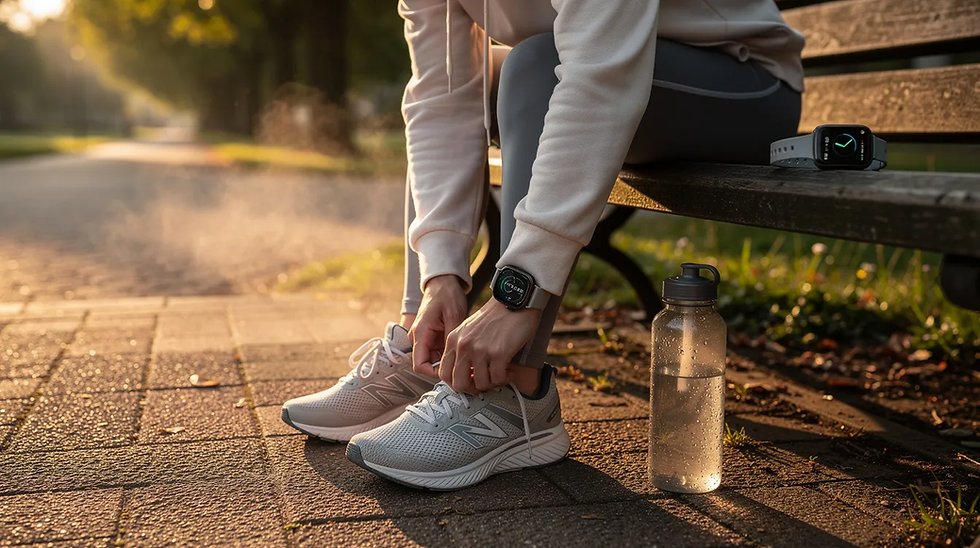
A smartwatch or phone app can help track activity, resting heart rate, sleep patterns, and trends over time. But do not treat consumer devices as perfect. A common user error is reacting to one strange reading instead of looking at patterns and confirming with medical tests.
Use the data as a prompt, not a diagnosis.
Good physical health also includes hydration. Hydration is associated with fewer chronic conditions and increased longevity, so drinking enough water is not just a small habit; it supports long-term health.
Mental Health: Feeling Okay vs. Truly Being Healthy
Mental health is a core part of “I’m healthy,” not an optional extra. You can have a strong body and still be unwell if your mood, sleep, focus, or stress response is constantly breaking down, and it helps to understand the distinction between mental health and psychological well-being.
In everyday terms, good mental health often looks like this:
Your mood is reasonably stable.
You can focus on work, school, caregiving, or daily tasks.
You sleep well most nights.
You can handle stress without constant panic or shutdown.
You still enjoy hobbies, relationships, and small parts of life.
You can ask for help when you need it.
For example, you might have a stressful week at work in April 2026, deal with deadlines, feel pressure, and still recover by resting, talking with a friend, exercising, or setting boundaries. Exploring workplace digital detox strategies can also reduce stress tied to constant connectivity. That is different from feeling trapped in constant dread, panic, numbness, or exhaustion.
Common hidden struggles include:
Anxiety
Depression
Burnout
Social media overwhelm
Loneliness
Trauma
Chronic stress
Sleep disruption
The CDC reports that many adults experience regular anxiety or depression symptoms, and screening for these conditions is increasingly normal in primary care. The USPSTF has reviewed anxiety screening in adults, which reflects how central mental health has become to routine care.
There is no shame in therapy, counseling, support groups, or medication when appropriate. Understanding what to expect from therapy can make it easier to take that step. In 2026, digital options can also help, including teletherapy, mood-tracking apps, mindfulness apps, and online support communities.
Stress management techniques can include mindfulness and regular exercise. Practicing relaxation techniques such as deep breathing exercises can aid in stress management.
Exercise, physical activity, and healthy diets can improve mental health, build confidence, and increase longevity. Cultivating optimism is associated with better emotional health and longevity, too. That does not mean pretending everything is fine. It means training your mind to look for options, support, and next steps even when life is difficult.
A useful comment to write in your notes after a hard day is: “What helped me recover?” Over time, that question teaches you what your nervous system actually needs.
Lifestyle Check: Do My Daily Habits Match “I’m Healthy”?
Your routines from Monday to Friday usually reveal more than one annual doctor visit. A blood test gives a snapshot. Your daily life shows the pattern, including how your work and career goals are structured and pursued.
Here are the main lifestyle domains to review.
1. Nutrition
Healthy example: You cook most dinners at home with vegetables, lean protein, beans, whole grains, or healthy fats.
Red flag: You rely on fast food, packaged snacks, sugary drinks, or energy drinks most days.
Small change: Replace one sugary drink per day with water, sparkling water, or unsweetened tea.
Nutrition is not about chasing perfection. It is about building a pattern that supports blood sugar, energy, digestion, mood, and long-term disease prevention.
2. Movement and exercise
Healthy example: You get brisk walks, cycling, gym sessions, sports, or active commuting most weeks.
Red flag: You sit for most of the day and rarely raise your heart rate.
Small change: Add a 10-minute walk after lunch.
The goal is not to punish your body. The goal is to remind your body that it is built to move.
3. Sleep
Healthy example: You sleep 7–9 hours and wake up reasonably refreshed.
Red flag: You sleep fewer than 6 hours most nights, wake often, or use your phone in bed until very late.
Small change: Set a 23:00 phone-off time and charge your phone away from the bed.
Sleep is where recovery, memory, hormone regulation, immune function, and emotional balance are rebuilt. If you want to feel healthy, sleep cannot be the first thing you sacrifice every week.
4. Substance use
Healthy example: You do not smoke or vape, and you drink alcohol moderately or not at all.
Red flag: You smoke, vape daily, binge drink, or use alcohol to manage stress.
Small change: Choose two alcohol-free days per week or ask a clinician about cessation support.
This is one area where small changes can produce large benefits over time.
5. Screen time and digital habits
Healthy example: You use screens intentionally and take breaks from social media, building towards a healthier digital balance through structured digital detox approaches.
Red flag: You scroll late at night, compare your life to strangers, or feel worse after using your phone, which can reflect overwhelmed digital consumption as a modern stressor.
Small change: Create a one-hour screen-free block before bed, or experiment with a personalized weekly digital detox ritual.
A healthier digital life can improve sleep, attention, mood, and relationships. Your view of yourself is shaped by what you consume every day.
6. Relationships and social life
Healthy example: You have people you can talk to, laugh with, and call during hard times.
Red flag: You are isolated, in constant conflict, or emotionally unsupported.
Small change: Schedule one low-pressure connection each week: a walk, call, meal, or message.
Maintaining strong social connections is linked to longer, healthier lives. Relationships are not a bonus feature of health; they are part of it.
7. Stress management
Healthy example: You use exercise, mindfulness, journaling, deep breathing, prayer, nature, hobbies, or therapy to process pressure.
Red flag: You stay in survival mode, ignore warning signs, or never rest.
Small change: Try two minutes of slow breathing before checking email in the morning.
Stress is not always avoidable. But unmanaged stress changes sleep, blood pressure, appetite, mood, and decision-making.
Online “healthy lifestyle” quizzes can be useful as a reflection tool. They can help you learn where your routine is strong and where it is fragile. But they cannot replace a professional assessment, medical exam, or personalized advice.
Building and Protecting “I’m Healthy” for the Future
Being healthy in May 2026 is a moving target, not a final destination. Your needs change with age, work, hormones, family responsibilities, injuries, finances, and medical history.
Preventive care is one of the best ways to protect your future health.
Important steps include:
Annual physicals or routine checkups based on your clinician’s advice.
Blood pressure checks.
Cholesterol checks from age 20+, usually every 4–6 years for many adults, or more often with risk factors.
Diabetes screening when recommended.
Colon cancer screening from age 45+ for average-risk adults.
Cervical, breast, prostate, lung, and skin cancer screening based on age, sex, risk, and clinician guidance.
Vaccinations, including flu, COVID-19 boosters when recommended, tetanus, shingles, HPV, pneumonia, and others based on age and risk.
Mental health screening, especially if mood, sleep, focus, or anxiety symptoms are affecting daily function.
Geriatric care is a specialized health service aimed at providing support for older adults, addressing their unique health needs. As people age, health care often becomes less about one problem and more about coordination: mobility, medication safety, memory, falls, chronic disease, nutrition, and social support, including healthy digital detox habits for seniors.
A simple personal health plan can make this less overwhelming.
Write down 3–5 goals across these areas:
Area | Example goal | Timeline |
Body | Walk 30 minutes, 5 days per week | Next 8 weeks |
Labs | Schedule cholesterol and glucose tests | This month |
Mental health | Start therapy or use a stress plan twice weekly | Next 3 months |
Relationships | Meet or call a friend once per week | Starting this week |
Finances | Build a small emergency fund | Next 6 months |
The best health plan is not extreme. It is repeatable. |
Avoid common traps:
Yo-yo dieting
Overtraining
Miracle supplements
Detox plans
Ignoring sleep to “be productive”
Copying someone else’s routine without considering your own experience
Treating one abnormal wearable reading as proof that something is wrong
Sustainable, science-backed habits usually beat dramatic changes. A balanced diet, regular exercise, enough sleep, hydration, social connection, preventive care, and emotional support are not flashy. But they work.
If you want to keep saying “I’m healthy” in the years ahead, monitor both physical and mental health, adjust your habits early, and seek help before small problems become major ones.
Start with one action this week: book the checkup, take the walk, drink the water, message the friend, set the phone-off time, or ask for support. Health is built through ordinary choices repeated often enough to change your life.